
Roofing Tips for Nassau & Suffolk County Weather
kaye mori • May 8, 2025

May 8, 2025

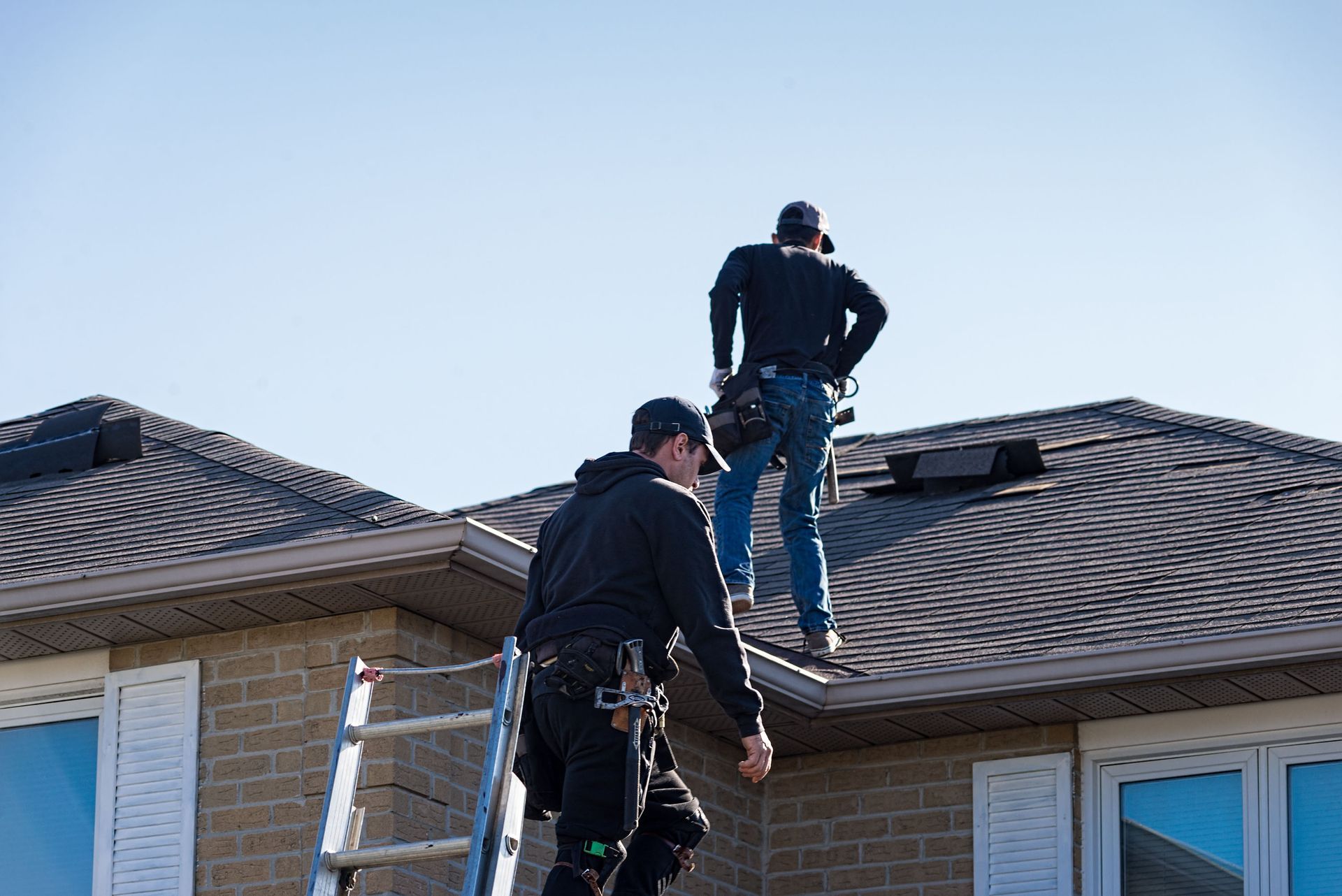
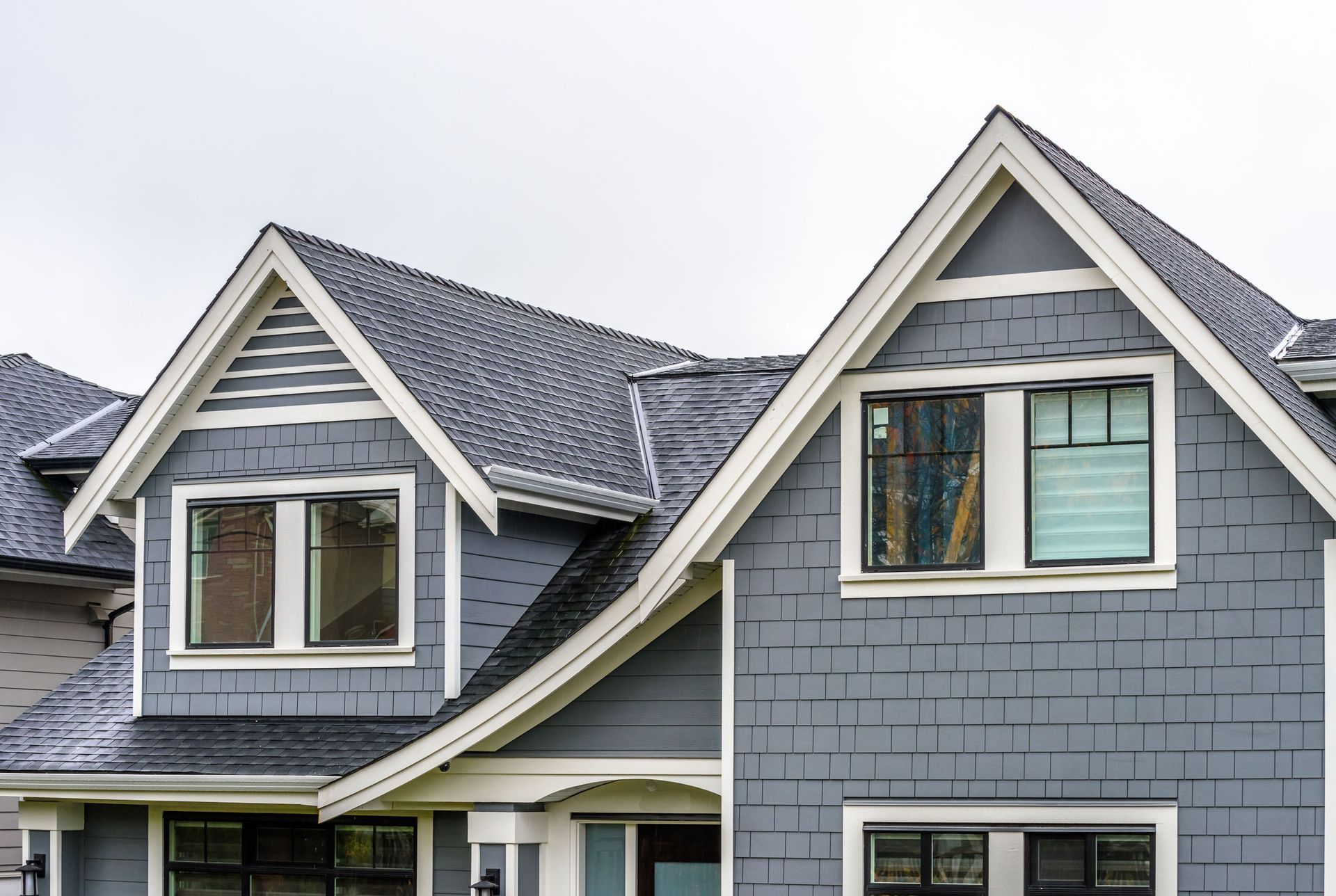
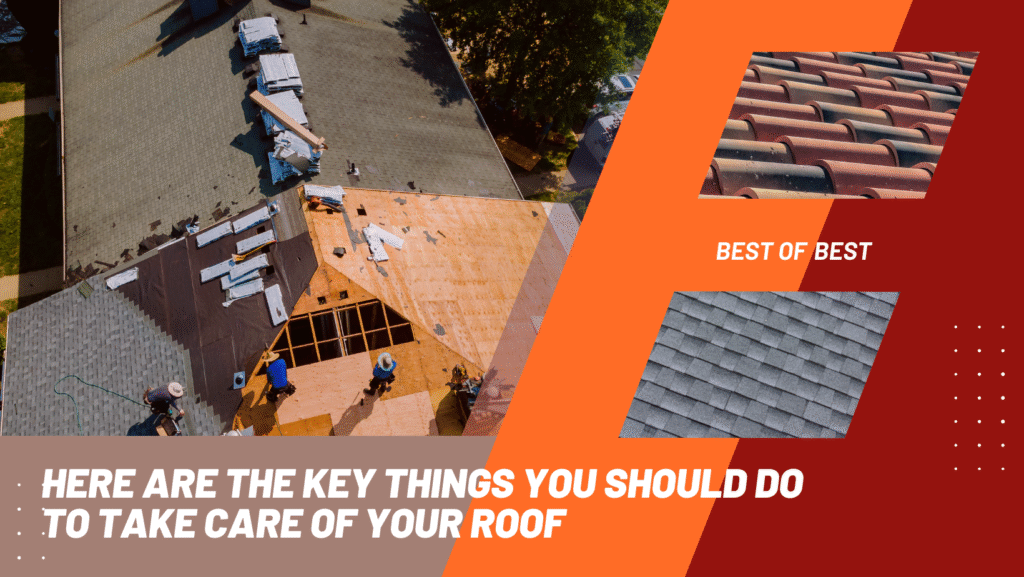
Aerial view of workers replacing a roof, with inserts showing tile and shingle samples and the text

Roofing tips for Nassau and Suffolk County homeowners face roof issues caused by Atlantic storms, salt air, and fluctuating temperatures.

These weather elements increase the risk of:

  • Ice damming: Snowmelt refreezes at eaves, blocking water flow.
  • Wind uplift: Atlantic storms rip or loosen shingles.
  • Humidity damage: Wood rot and mold are encouraged by high moisture levels.
  • Roof algae: Warm, damp summers support black streaks and moss.
  • Salt exposure: Coastal air corrodes metal components over time.

Local Roofing Tips: Regulations Matter

Roofing codes in Nassau and Suffolk require

  • Proper underlayment for wind and ice protection
  • Hurricane-rated shingles for storm resilience
  • Adequate attic ventilation per energy efficiency standards

Climate adaptation is not optional—it’s regulated. Homeowners must meet local ordinances when repairing or replacing roofs.

To lower the hazards associated with weather, we will next examine seasonal maintenance schedules.

Which Roofing Tips Maintenance Program Is Best for Homes on Long Island?

Seasonal maintenance protects Long Island roofs from moisture, sun damage, and structural wear.

Spring Roofing Tips Checklist

  • Inspect for winter damage: Look for lifted shingles or soft decking.
  • Clean gutters: Prevent spring rain overflow.
  • Make sure the vent and chimney seals are tight by checking the flashing.
  • Look for soffit damage: Winter ice can crack or split it.

Summer Roof Care

  • Protect against UV damage: Apply reflective coatings or check for asphalt degradation.
  • Inspect attic ventilation: Prevent heat buildup and condensation.
  • Remove debris: Clear leaves and twigs that trap moisture.

Fall Maintenance

  • Remove leaf buildup: Clogged gutters increase ice backup risk.
  • Seal gaps: Prevent rodents from nesting during cold months.
  • Schedule professional inspection: Catch small issues before winter.

Winter Prep Tips

  • Check insulation: Prevent ice dams and reduce heating costs.
  • Monitor for snow buildup: Use a roof rake to reduce excess weight.
  • Inspect for water penetration after snow melts.

Consistent seasonal upkeep helps reduce costly repairs and extend roof lifespan.

Let’s now look at which roofing materials stand up best to Long Island’s coastal climate.

Roofing Tips: What Are the Best Materials for Long Island's Coastal Climate?

The coastal climate in Nassau and Suffolk requires materials with high wind resistance, moisture control, and thermal performance.

Roofing Material
Pros
Cons

Avg Lifespan

Asphalt Shingles

Affordable, Easy to Install

Moderate wind resistance

20–30 years

Metal Roofing

High wind & salt resistance, recyclable

Higher upfront cost

40–70 years

Cedar Shakes

Natural insulation, aesthetic appeal

Prone to moss in humid areas

30–50 years

Clay Tiles

Excellent fire and salt resistance

Heavy, needs strong framing

50–100 years

Synthetic Slate

High durability, lightweight

Expensive, limited installers

40–60 years

Key Attributes for Long Island Roofing Tips:

  • Hail resistance: Metal and synthetic options perform better.
  • Roofs made of metal and clay tiles are classified as Class A fire.
  • R-value: Metal roofing with proper insulation improves energy efficiency.

Choose materials that align with climate demands and local building codes.

Next, we’ll go over how to select a qualified roofing contractor in your area.

Roofing Tips: How Do You Choose a Trustworthy Contractor in Nassau or Suffolk?

Local experience, verified licensing, and insurance define reliable roofing contractors.

Checklist for Hiring:

  • Verify license: Check the NYS Department of State or local municipality.
  • Ask for insurance: Must include liability and workers’ compensation.
  • Check reviews: Use BBB, Angi, and Google for feedback.
  • Look for GAF certification: Indicates training and warranty access.
  • Request references: Ask for local jobs within 5–10 miles.

Key Vetting Steps:

  • Compare multiple bids (not just price—check scope and warranty).
  • Ask for a sample contract with a timeline and material list.
  • Confirm if the roofer handles permits and inspections.

Long-term roof health and code compliance are enhanced when a screened contractor is hired.

In order to prevent roof damage from spreading, let us examine how to detect it early.

Roofing Tips: How Can You Detect Roof Damage Before It Gets Expensive?

Early detection prevents leaks, rot, and major structural issues.

Visual Inspection Tips:

  • Look for missing or curled shingles after storms.
  • Check flashing for rust or separation.
  • Inspect the ridge vent and soffit for blockage or animal entry.
  • Look inside the attic for water stains or mold growth.

Use Drone or Binocular Inspections:

  • Spot sagging rooflines or debris accumulation safely.
  • Inspect valleys and overhangs for algae or water accumulation.

When to Call a Professional:

  • Any indications of roofline displacement, such as dips or soft patches?
  • After high winds, hail, or heavy snowfall.

Inspections every spring and fall reduce the risk of major repairs.

Let’s now talk about proper water drainage to keep your home’s structure safe.

Roofing Tips: How Do You Keep Water Flowing Off the Roof Effectively?

Drainage systems and gutters prevent water damage to the roof and foundation.

Gutter Maintenance Tips:

  • Clean gutters every spring and fall.
  • Install gutter guards to reduce clogging.
  • Inspect fascia boards for water damage or sagging.

Downspout Maintenance:

  • A minimum of five feet should separate the downspouts from the foundation.
  • Check for ice backup signs during winter.

Fix Drainage Issues:

  • Adjust gutter pitch if water overflows in light rain.
  • Use splash blocks or extenders to manage runoff.

Drainage failures cause fascia rot, ice dams, and basement flooding.

Next, we’ll review what to do after storm damage hits your property.

Roofing Tips: What Should You Do Right After a Storm Damages Your Roof?

Immediate response minimizes interior damage and speeds up insurance claims.

First Steps:

  • Take clear photos of all visible roof and ceiling damage.
  • Cover openings with a tarp or waterproof sheeting.
  • Get a claim number by contacting your home insurance provider.

When to Call for Help:

  • If shingles are missing or there are leaks into the home.
  • Contact a roofer with emergency repair experience.
  • Ensure you file claims within your insurance’s reporting period.

FEMA or Disaster Assistance:

  • After federally declared disasters, local homeowners may apply for FEMA roof aid.

Being ready for a roofing emergency helps you save time and money.

Next, learn how roofing upgrades can cut energy bills year-round.

How Can Roofing Tips Improve Energy Efficiency in NY Homes?

Smart roofing choices improve thermal comfort and reduce HVAC use.

Energy-Saving Roofing Tips:

  • Use cool roofs with reflective coatings or light-colored shingles.
  • Add attic insulation to improve R-value and reduce heating loss.
  • Install ridge vents and soffit vents for better airflow.

Consider Radiant Barriers:

  • Reduce solar gain and attic heat in summer.
  • Cut cooling costs by 10–15% (ENERGY STAR data).

Tax Benefits:

  • Federal tax credits cover eligible roofing materials or insulation upgrades.

Energy-efficient roofs save money and increase comfort year-round.

Next, discover how to extend your roof’s lifespan with a few smart strategies.

What Are the Best Roofing Tips to Extend the Life of Your Roof?

Preventive maintenance and smart upgrades delay roof replacement.

Lifespan-Extending Practices:

  • Apply elastomeric coatings to reflect UV and seal small cracks.
  • Add copper flashing to resist corrosion and algae.
  • Use ridge vents and keep attic airflow balanced.

Early Warning Signs:

  • Keep an eye out for signs of aging such as sagging, blistering, or granule loss.
  • Treat moss or algae before it breaks down shingles.

Regular maintenance extends a roof’s functional lifespan by 5–10 years.

Up next: how to manage costs when budgeting for roof work.

Roofing Tips: How Do You Budget Projects in Long Island?

Homeowners must plan for both routine repairs and full replacements.

Key Roofing Costs:

Roofing Type
Cost per sq. ft. (Installed)

Asphalt Shingle

$3.50–$5.50

Metal

$7–$12

Cedar Shake

$6–$10

Synthetic Slate

$10–$16

Cost Planning Roofing Tips:

  • Get at least 3 estimates from local contractors.
  • Ask about material surcharges or off-season discounts.
  • Explore financing options: Home equity loans, FHA 203k, and contractor-backed financing.

Plan for 10–15% contingency beyond the initial estimate.

Now, explore eco-friendly roofing for a greener home.

Roofing Tips: How Can You Make Your Roof More Eco-Friendly?

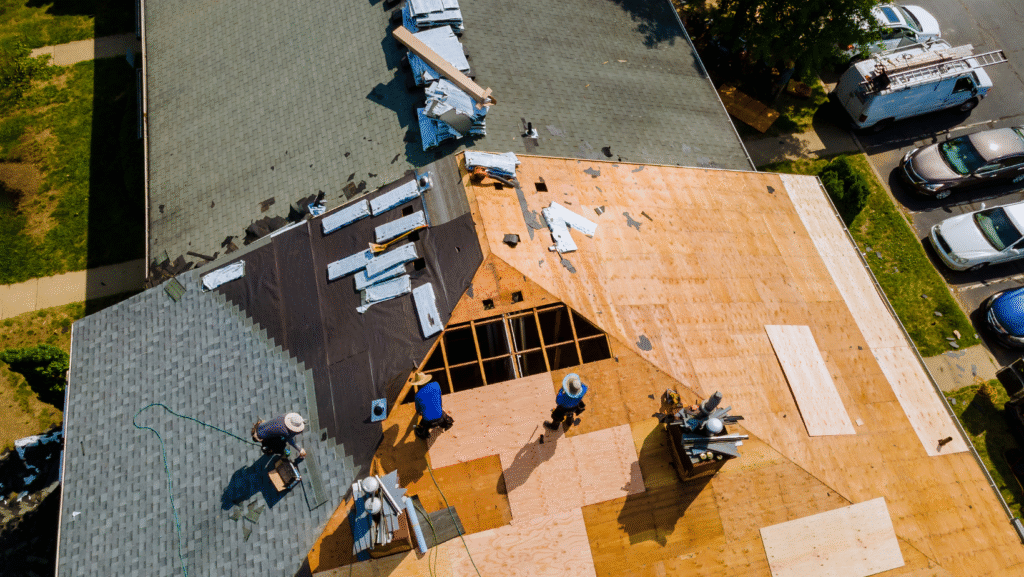
An aerial view of roofers replacing shingles on a house roof, showing exposed wooden deck and new roofing materials.

Sustainable roofs reduce emissions and improve stormwater management.

Green Roofing Tips:

  • Use recycled metal roofing or synthetic shingles.
  • Consider a living roof or Tesla solar shingles.
  • Install gutter barrels to collect runoff for irrigation.

Sustainability Metrics:

  • Choose products with LEED certification or eco-ratings.
  • Reduce carbon footprint with low-impact materials.

Energy conservation and environmental objectives are both supported by eco-roofing.

We’ll wrap up with a quick FAQ for Long Island roofing concerns.

FAQs: Roofing Tips for Nassau and Suffolk County Homeowners

Red
How long does a typical roof last in Long Island?

With proper care, metal and slate roofs can endure over 50 years, but asphalt roofs only last 20 to 30 years.

Do I need a permit for roof replacement in Nassau or Suffolk?

Yes. Both counties require permits and code inspections for major roofing jobs.

What’s the difference between re-roofing and roof replacement?

Reroofing adds a new layer over existing shingles; replacement strips everything down to the decking.

Will insurance cover storm roof damage?

Most policies do, but review deductibles and act fast to document damage.

Can HOA rules affect my roof choices?

Yes. The colors, materials, and visible solar panels are restricted by a number of HOAs in Nassau and Suffolk.

Want More High-Quality Roofing Projects on Long Island?

G&V Roofing delivers trusted craftsmanship, reliable service, and local expertise that turns property owners into lifelong clients—all from one professional source.

Our Services:

A classic claw hammer with a grey metal head and an orange handle. Slate Roofing— Elegant, long-lasting, and perfect for upscale homes.
A classic, gray-toned building icon with a triangular pediment, three columns, and a wide base. Tile Roofing— Durable and stylish roofing built to handle the Northeast climate.
A two-story yellow house icon with a red chimney, blue windows, a brown door, and a green patch of grass at the base. Residential Roofing— From repairs to full replacements, we protect your home like it’s our own.
A stylized, flat-design icon of a large, beige institutional building with blue windows and a central dome. Commercial Roofing— Professional-grade roofing systems for businesses and facilities.
A simple, light blue water droplet icon on a white background. Gutters— Proper drainage solutions to protect your foundation and landscaping.
A brown-framed window with four glass panes, featuring a light blue tint with a subtle diagonal reflection. Windows Energy-efficient and beautiful—enhance your view and lower utility bills.
An isometric view of a red rectangular brick with three circular holes on the top surface. Siding— Boost curb appeal and protect your exterior with high-performance materials.

Learn About:

A white checkmark centered on a rounded, solid green square background.  Choosing the Right Roofing Materials for Long Island Homes
A white checkmark centered on a rounded, solid green square background.  Roofing Tips for Nassau & Suffolk County Weather
A white checkmark centered on a rounded, solid green square background.  How to Spot Roof Damage Before It Becomes Expensive
A white checkmark centered on a rounded, solid green square background.  The Real Cost of Delaying Roof Repairs
A white checkmark centered on a rounded, solid green square background.  Seasonal Roof Maintenance Checklists


A stylized illustration of a two-story beige house with a chimney, blue windows, a brown door, and surrounding green trees.Looking to Upgrade Your Roof or Protect Your Property Investment?

Whether you’re a homeowner looking for reliable roof solutions or a property manager seeking fast, expert repairs—G&V Roofing is your go-to Long Island partner for long-lasting protection and peace of mind.

A red thumbtack or pushpin on a white background, viewed from an angle.Follow Us for the Latest in Roofing Care, Property Protection & Home Improvement:

A light blue musical note symbol. Tiktok : Watch fast transformations, tips from the crew, and roofing secrets revealed
A simple, dark gray icon of a classic vintage movie camera. YouTube: Explore step-by-step guides, customer stories, and full project showcases
An icon of a black camera with a blue lens and a yellow starburst shape representing a flash. Instagram: See beautiful before-and-afters, behind-the-scenes content, and premium materials
A yellow-colored emoji of a hand with a thumbs-up gesture. Facebook: Read reviews, see featured jobs, and connect with the local G&V Roofing community

A yellow hand icon pointing to the right.Contact G&V Roofing today and discover why craftsmanship matters
By kaye mori January 14, 2026
What are house siding panels, and why are they important?House siding panels protect exterior walls from moisture, pests, and environmental exposure. They also boost curb appeal and improve a home’s energy efficiency through insulation and thermal resistance. Common House Siding Panel Types and Their Characteristics Siding Type Material Lifespan Maintenance Level Key Features Vinyl PVC-based […]
By kaye mori January 14, 2026
Learn how house siding prevents moisture damage by forming a durable barrier that safeguards your home’s structure, boosts energy efficiency, and supports healthier indoor air. How Does Moisture Affect Your Home’s Structure? Moisture infiltrates the building envelope and causes: Wood rot in structural framing Insulation saturation, reducing thermal performance Degradation of drywall and flooring materials […]
By kaye mori January 14, 2026
Preventative roof maintenance refers to the proactive approach of regularly inspecting and servicing commercial roofing systems to identify and fix minor issues before they escalate into costly problems. Unlike reactive repairs, which are performed after visible damage or leaks occur, preventative roofing maintenance is structured and scheduled and aims to preserve the roof system components […]
Show More →