September 25, 2026
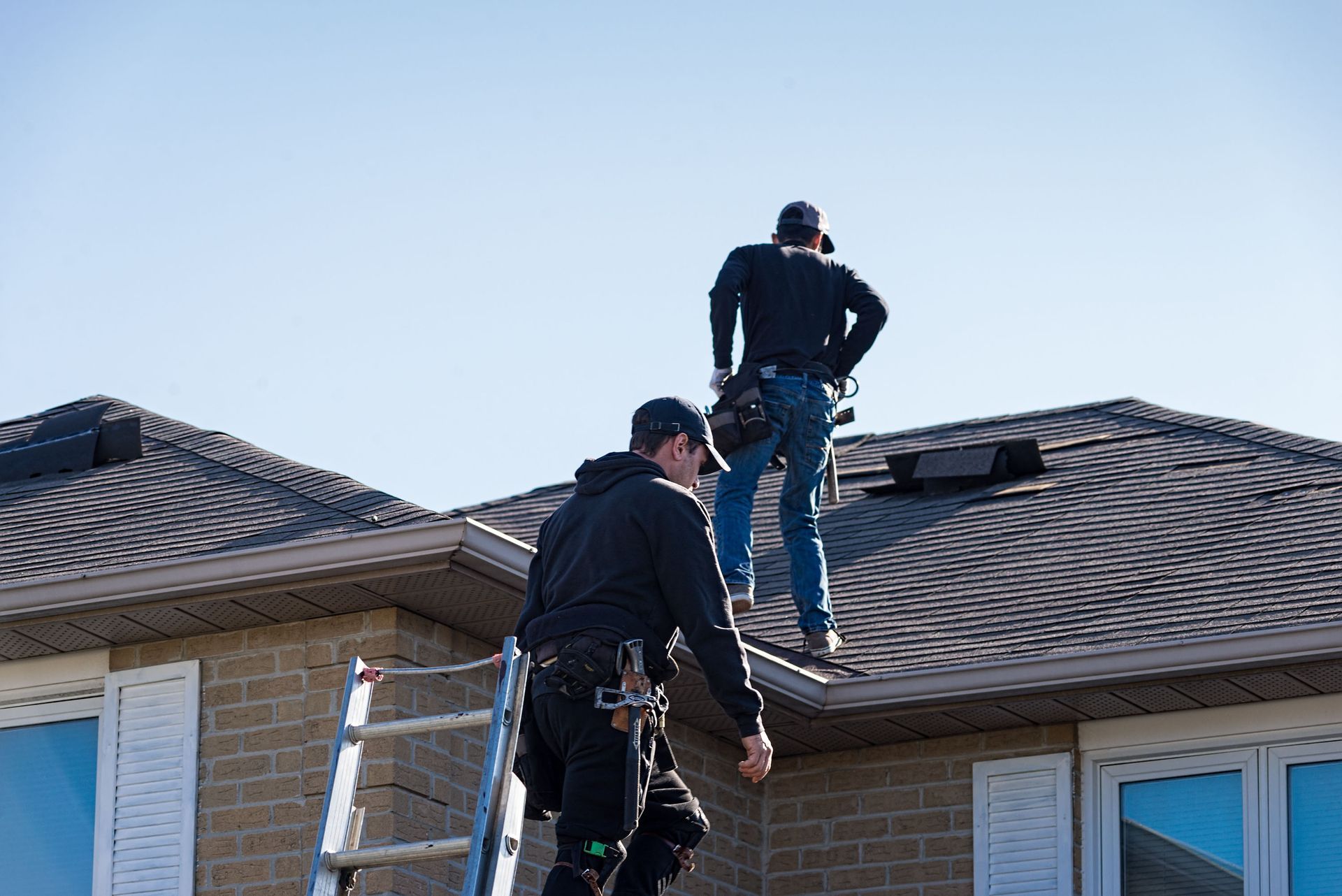
Tile roofing is known for its durability and distinctive appearance, but even a strong roofing system can develop problems over time. Severe weather, falling debris, age, shifting materials, and problems with the components beneath the tiles can all affect roof performance. Some concerns may appear minor from the ground, while allowing moisture to reach vulnerable areas underneath. Because walking on tile can cause additional damage and working at roof height presents safety risks, homeowners should be cautious about attempting repairs themselves. Knowing when to call a professional for tile roof repairs can help prevent existing damage from spreading to the underlayment, decking, ceilings, walls, and other parts of the home. Paying attention to visible damage, interior warning signs, drainage issues, and changes after storms can make it easier to determine when professional evaluation is appropriate.
Calling When You Notice Broken or Missing Tiles
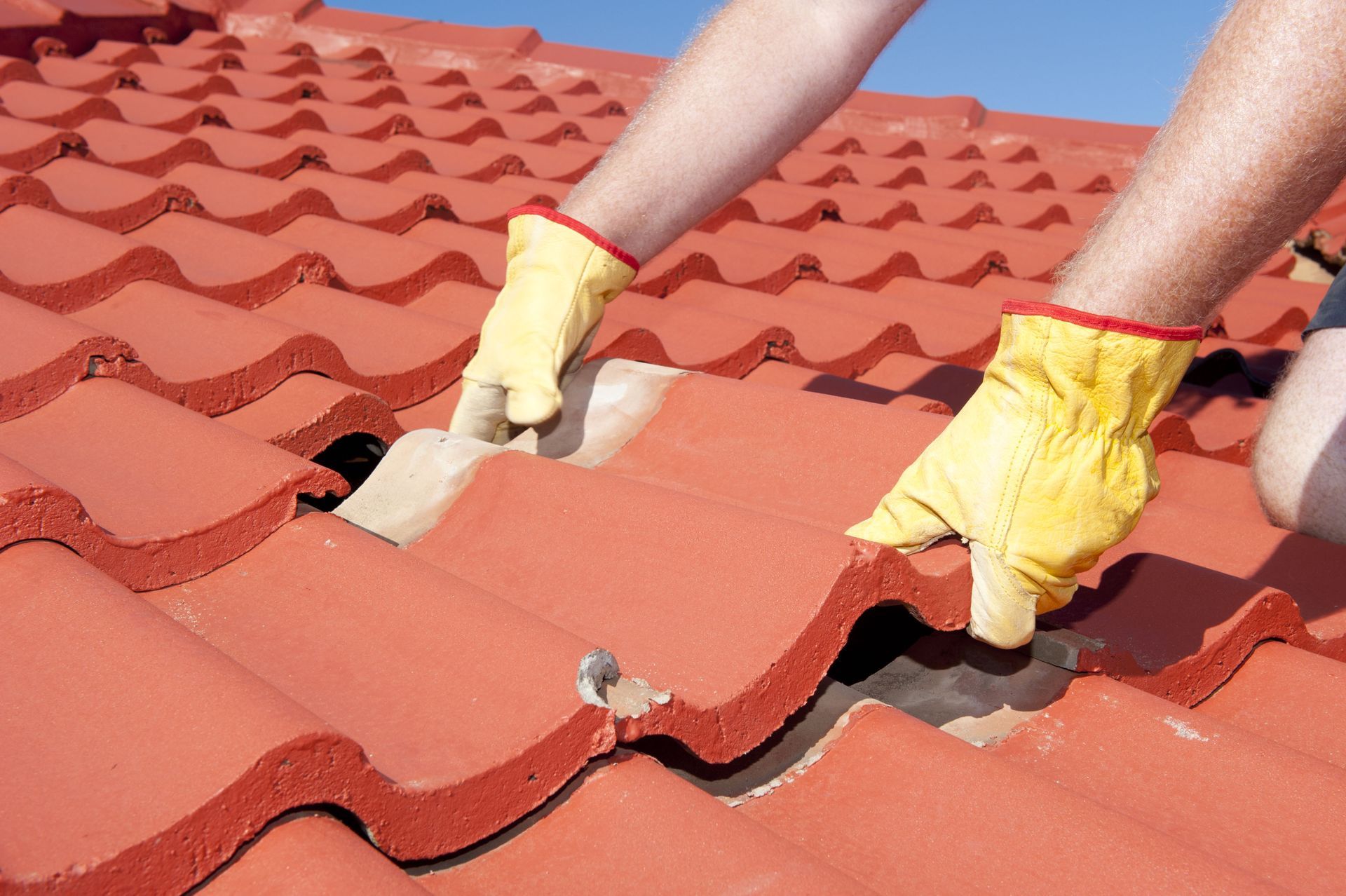
Cracked, broken, or missing tiles are some of the most visible signs that a roof needs attention. Tiles can become damaged because of falling tree branches, hail, strong winds, foot traffic, or gradual wear. Even a small crack may leave the materials beneath the tile more exposed to rain and moisture. Missing tiles create an even larger opening in the roofing system, making prompt inspection especially important.
A roofing professional can determine whether the problem is limited to a few individual tiles or whether surrounding materials have also been affected. Matching replacement tiles, removing damaged pieces without disturbing nearby sections, and checking the condition of the underlayment require care. Professional tile roof repairs can address the visible problem while also checking for hidden damage that may not be obvious from the ground.
Calling When You Discover Interior Water Damage
Water stains on ceilings or walls can indicate that moisture is entering somewhere through the roofing system. Other warning signs may include peeling paint, damp insulation, musty odors, discolored drywall, or moisture in the attic. The location of an interior stain does not always identify the exact point where the roof is leaking because water can travel along rafters, decking, or other materials before becoming visible indoors.
When interior moisture appears, professional evaluation can help locate the source rather than simply addressing the stain inside the home. A roofer can inspect tiles, flashing, underlayment, valleys, and other potential entry points. Timely tile roof repairs may help limit the amount of water reaching interior materials and reduce the likelihood that a relatively localized roofing problem will develop into more extensive moisture damage.
Calling When You See Problems With Flashing
Flashing helps protect areas where the roofing surface meets chimneys, vents, skylights, walls, and other penetrations or transitions. These areas can be particularly vulnerable because they interrupt the continuous surface of the roof. Flashing may loosen, corrode, shift, or become damaged over time. Gaps around these areas can allow water to move beneath the tiles even when the surrounding tiles appear to be in good condition.
Repairing flashing requires understanding how water moves across the roof and how different roofing components overlap. Simply covering a gap with sealant may not correct the underlying problem. A professional performing tile roof repairs can evaluate the flashing and nearby roofing materials to determine whether components need to be resealed, repositioned, repaired, or replaced. Addressing these transition points properly helps support the roof's ability to direct water away from the home.
Calling When Your Roof Develops Drainage Problems
A tile roof depends on proper drainage to move rainwater efficiently toward gutters and away from the structure. Debris can accumulate in roof valleys, gutters, and drainage paths, while damaged tiles or improperly positioned materials may interfere with water movement. Standing or slow-moving water can increase moisture exposure and may eventually find openings beneath the roofing materials. Overflowing gutters can also direct water toward fascia, siding, or the foundation.
The roof's slope is another important part of effective drainage. According to The Spruce, tile roofing is most suitable for steeper slopes and is generally not recommended for roof pitches under 4:12. When drainage appears unusual, a roofing professional can inspect the overall system and identify whether debris, damaged materials, installation issues, or another condition is interfering with water flow. Tile roof repairs may be necessary when damaged components prevent rainwater from moving along its intended path.
Calling When Storms Cause Visible Roof Damage
Strong storms can affect a tile roof in several ways. High winds may loosen or displace tiles, while hail and falling branches can crack or break them. Wind-driven rain can also enter areas that normally remain protected during calmer weather. After a severe storm, damage may not always be obvious from the yard. A tile might shift slightly without falling, or a crack could develop in an area that is difficult to see from the ground.
Professional inspection can be useful after significant weather because roofers can safely examine areas that homeowners may not be able to view closely. They can check for displaced tiles, damaged flashing, debris impact, and signs that water has reached underlying components. Scheduling tile roof repairs soon after storm damage is identified can help restore affected areas before another period of heavy rain or wind places additional stress on the roofing system.
Calling When the Underlayment May Be Deteriorating
Tiles form the visible outer surface of the roof, but they are only one part of the complete system. Underlayment beneath the tiles provides an additional layer of protection against moisture. Although homeowners usually cannot see this material without removing tiles, signs such as recurring leaks or water intrusion without obvious tile damage may indicate that components beneath the surface require attention.
Evaluating underlayment is a job for roofing professionals because tiles must often be carefully removed to inspect the materials below. Walking across the roof or lifting tiles without proper techniques can result in additional breakage. During tile roof repairs, a professional can determine whether the issue involves individual surface tiles, deteriorating underlayment, damaged decking, or several components working together. Identifying the actual source helps ensure that the repair addresses more than just the most visible symptom.
Calling When Repeated Repairs Stop Solving the Problem
A roof that requires repeated attention in the same area may have a problem that extends beyond one cracked tile or loose component. Recurring leaks can sometimes indicate issues with flashing, underlayment, installation, drainage, or the roof deck. Continually replacing individual tiles without examining the surrounding system may provide only temporary relief if the underlying cause remains unresolved.
A professional can review the repair history, inspect the affected area, and look for patterns that explain why the problem continues. In some cases, more comprehensive tile roof repairs may be appropriate rather than continuing to address individual symptoms. An inspection can also help homeowners understand the overall condition of the roofing system and determine which components require attention to restore reliable protection.
Tile roofs can provide long-lasting protection, but damaged tiles, leaks, flashing problems, poor drainage, storm damage, deteriorating underlayment, and recurring trouble should not be ignored. Because roofing problems can extend beyond what is visible from the ground, professional evaluation can help identify both obvious and hidden concerns while avoiding the risks associated with walking on a tile roof. Prompt tile roof repairs can help protect underlying materials and keep isolated damage from affecting larger portions of the roofing system. If you notice warning signs or have concerns about the condition of your tile roof, contact G & V Roofing.