Choosing the Best Roofing Materials for Long Island Homes
kaye mori • May 8, 2025

May 8, 2025

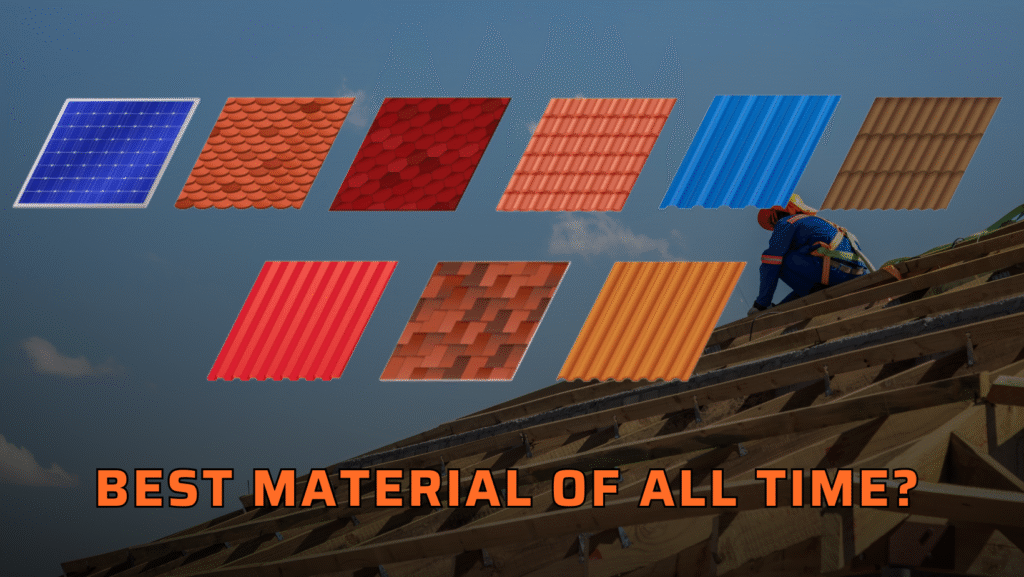
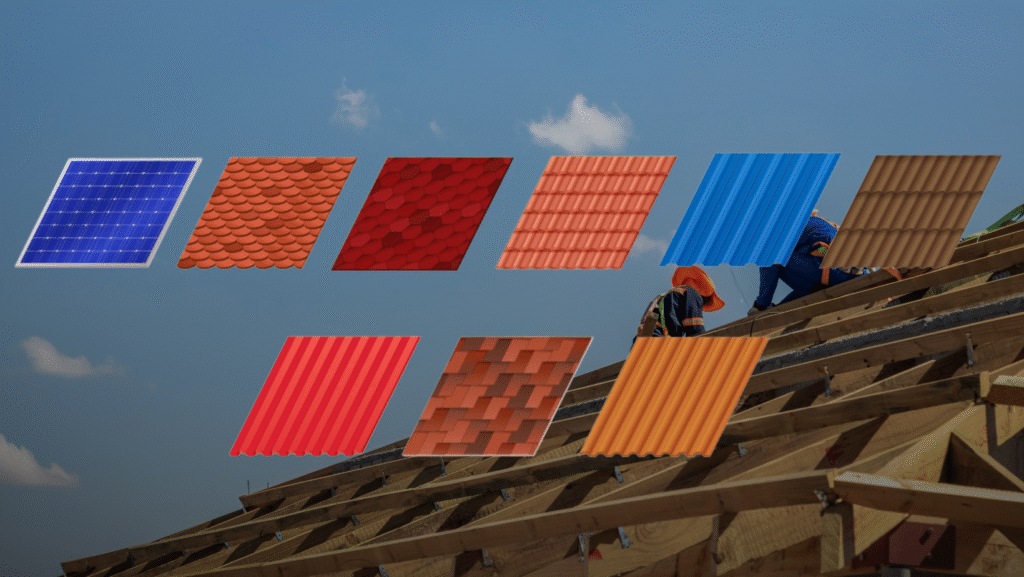
A montage of various textured building materials arranged above a person working on a roof, with the text

Roofing materials directly affect energy costs, property value, and storm protection in Long Island. Long Island homes face a distinct combination of climate challenges. The region sits in climate zone 7, where humidity, salt air, and seasonal storms create long-term stress on roofing systems. With 2025 energy-efficiency regulations and rising home insurance premiums, choosing the right roofing material has never been more important.

Homeowners in Suffolk and Nassau counties are now prioritizing weather resilience, insulation efficiency, and long-term cost savings. Roofing systems are no longer just functional—they’re key to property value retention and energy-efficient living.

This guide explores every major roofing material through the lens of coastal durability, performance, and cost-efficiency—with tailored advice for Long Island homes.

What Are Long Island’s Roofing Challenges?

Long Island’s roofs must endure storms, salt air, and sharp seasonal temperature shifts.

Key Environmental Stressors:

Factor
Impact on Roofing

Salt air

Corrodes metal and erodes surface coatings

Nor’easters

Uplifts shingles and tears underlayment

Humidity

Triggers mildew and mold on roof layers

UV exposure

Degrades asphalt and causes color fading

Storm surges

Soaks deck layers and affects drainage

Roofs in this region must resist corrosion, mold, granule loss, and wind uplift—especially during hurricane season from June to November. Insulation and moisture control are also essential to minimize ice damming and thermal cycling damage.

Next, we compare how common roofing materials perform under these conditions.

Asphalt Shingles: Affordable but Vulnerable?

Asphalt shingles remain the most popular roofing materials choice in Long Island due to their affordability and fast installation.

Advantages:

  • Cost-effective: $4–$7 per sq. ft. installed
  • Quick installation: 1–3 days
  • Variety: Available in many styles and colors
  • Widespread availability: Supported by GAF and Owens Corning warranties

Disadvantages:

  • Shorter lifespan: 15–30 years with exposure to salt and UV
  • Granule loss: Accelerated by coastal wind and rain
  • Ice dam risk: Inadequate sealing leads to leaks
  • Poor resistance: Prone to damage in Nor’easters

Asphalt shingles on Long Island require ventilation upgrades, ice shields, and frequent inspections to maintain performance. While ideal for budget-conscious owners, long-term durability may fall short in storm-prone areas.

Metal Roofing Materials: The Long-Term Coastal Defender

Metal roofs offer unmatched durability and energy savings, making them ideal for Long Island’s stormy climate.

Advantages:

  • Lifespan: 40–70 years
  • Corrosion-resistant: Aluminum and zinc-coated steel withstand salt air
  • High reflectivity: Reduces summer cooling loads
  • Wind-resistant: Standing seam designs resist uplift

Disadvantages:

  • Higher cost: $10–$15 per sq. ft. installed
  • Noise concerns: Requires sound-dampening underlayment
  • Expansion/contraction: Requires proper fastener systems

Standing seam aluminum roofs are especially effective for Long Island due to their seamless panels, which reduce water infiltration. With reflective coatings and radiant barriers, metal roofs also reduce solar heat gain by 25%+ in the summer.

Slate and Tile Roofing Materials: Coastal Elegance with Endurance

Slate and clay tile roofs deliver high-end aesthetics and extreme weather resistance—ideal for luxury or historic homes.

Advantages:

  • Ultra-durable: 75–100+ year lifespan
  • Storm protection: Withstands wind, hail, and UV
  • Water-shedding design: Naturally repels rain and snow

Disadvantages:

  • Heavy load: Requires structural reinforcement
  • High cost: $20–$30 per sq. ft. installed
  • Tile breakage: Susceptible to cracking in freeze-thaw cycles

Slate is ideal for homes with steep roof pitches and strong decking systems. Tiles require expert installation, but once secured, they offer fireproof and mildew-resistant protection. For homes built before 1970, engineering reinforcement is often needed.

Synthetic Roofing Materials: Modern Looks with Minimal Maintenance

Synthetic roofing materials mimic slate or wood but offer lightweight, high-performance durability.

Advantages:

  • Lightweight: Easier installation on older homes
  • Durability: Resistant to mold, UV, and impacts
  • Eco-friendly: Often made from recycled polymers
  • Style variety: Comes in slate, shake, and tile designs

Disadvantages:

  • Moderate cost: $9–$13 per sq. ft.
  • Newer tech: Fewer long-term studies on lifespan
  • Plastic appearance: Some options lack realism

Brands like DaVinci Roofscapes lead the industry in impact-resistant and UV-stabilized roofing. These materials are ideal for Long Island homes that require low-maintenance curb appeal and weather protection without structural upgrades.

Solar Roofing Materials: Energy-Efficient Innovation for 2025

Solar roofing integrates renewable energy into your roof without sacrificing design or durability.

Two Key Options:

  1. Tesla Solar Roof: Integrated glass tiles with embedded photovoltaic cells
  2. Solar Panels on Asphalt or Metal Roofs: Mounted panels, easier to install

Advantages:

  • Energy savings: Offset 40–100% of annual electricity use
  • Incentives: NYSERDA rebates and net metering available in Suffolk/Nassau
  • Integrated design: Sleek aesthetics with full roof replacement

Disadvantages:

  • High upfront cost: $35,000–$60,000 depending on size
  • Complex installation: Requires specialized contractors
  • Battery backup required: For full off-grid reliability

Solar roofing fits best on south-facing roofs with minimal shading. It improves home resale value and qualifies for federal and state energy rebates.

Roofing Materials Costs in Long Island: 2025 Breakdown

Roofing materials prices on Long Island vary based on materials, installation complexity, and local permitting requirements.

Roofing Materials Type
Avg Cost per Sq. Ft. Installed
Lifespan (Years)

Asphalt Shingles

$4–$7

15–30

Metal Roofing

$10–$15

40–70

Slate or Tile

$20–$30

75–100+

Synthetic Roofing

$9–$13

30–50

Solar Roofing

$25–$35+

25+ + power gen

Additional costs include:

  • Permits: $200–$500
  • Contractor markup: 15–30%
  • Waste disposal: $500–$1,000
  • Roof deck repairs: Varies by damage extent

Accurate quotes require a full roof inspection and budget forecasting, especially for older homes.

Sustainability & Environmental Ratings

Eco-conscious homeowners increasingly choose roofing materials that reduce environmental impact.

Material
Recyclable
Cool Roof Rated
LEED Points Eligible

Metal Roofing

Yes

Yes

Yes

Asphalt Shingles

Limited

Some

Limited

Slate/Clay Tile

Yes

Yes

Yes

Synthetic Roofing

Partially

Yes

Varies

Solar Roofing

Yes

Yes

Yes

  • Solar Reflectance Index (SRI): Higher values reduce heat island effect
  • Embodied Carbon: Slate and metal have lower long-term impact due to lifespan
  • Energy Retention: Metal and solar roofs reduce heating/cooling demand by up to 30%

Choose products with ENERGY STAR or LEED certifications to align with green building goals.

Lifespan & Maintenance Expectations

Each roofing materials type comes with unique maintenance cycles and lifespan limits.

Lifespan by Material:

  • Asphalt: 15–30 years
  • Metal: 40–70 years
  • Slate/Tile: 75–100+ years
  • Synthetic: 30–50 years
  • Solar: 25+ years (panel warranty)

Maintenance Requirements:

  • Asphalt: Clean moss, check granules
  • Metal: Inspect fasteners, clean gutters
  • Tile: Replace cracked tiles, reseal joints
  • Synthetic: Minimal—check for lifting or fading
  • Solar: Clean panels, monitor inverters

Frequent roof inspections (every 2–3 years) are essential in Long Island’s climate to catch early signs of algae, cracking, or flashing issues.

Local Roofing Laws, Permits, and Contractor Advice

A construction worker roof-framing with a menu of various roofing material samples displayed in the sky above.

Long Island requires roofing work to meet strict local codes in Suffolk and Nassau counties.

Legal Requirements:

  • Permits: Required for full replacements
  • Licensed contractors: Must be bonded and insured
  • Code compliance: Includes wind uplift resistance and fire safety

Warranty Tips:

  • Installation warranty: Offered by most contractors (5–10 years)
  • Manufacturer warranty: Covers material defects (20–50 years)
  • GAF Master Elite or Owens Corning Platinum certified contractors offer longer protection

Always verify license status and references. Choose contractors familiar with Long Island codes and roofing types for maximum warranty eligibility and fewer legal issues.

FAQs: Roofing Materials for Long Island Homes (2025)

The word
What is the most durable roofing materials for Long Island weather?

Slate and metal roofs are the most weather-resistant, lasting 50–100+ years with minimal degradation.

Are metal roofs loud during rainstorms?

Not with proper underlayment. Modern metal roofs include soundproof layers to reduce noise.

How long do asphalt shingles last in New York climate?

In coastal Long Island, asphalt shingles last 15–25 years due to salt air, wind, and UV exposure.

Is solar roofing materials worth it in Long Island?

Yes, especially with NYSERDA incentives. Solar can reduce annual energy costs by 40–100%.

Do I need a permit for re-roofing in Long Island?

Yes. Both Nassau and Suffolk counties require roofing permits for structural or full-roof work.

Want More High-Quality Roofing Projects on Long Island?

 G&V Roofing delivers trusted craftsmanship, reliable service, and local expertise that turns property owners into lifelong clients—all from one professional source.

Our Services:

A standard claw hammer with a grey metal head and an orange handle. Slate Roofing— Elegant, long-lasting, and perfect for upscale homes.
A light gray icon of a classical building with a triangular pediment, three columns, and a wide base. Tile Roofing— Durable and stylish roofing built to handle the Northeast climate.
A yellow two-story house icon with a gray roof, a red chimney, a brown door, blue windows, and a green base. Residential Roofing— From repairs to full replacements, we protect your home like it’s our own.
An illustration of a tan government building with blue windows and a central dome against a white background. Commercial Roofing— Professional-grade roofing systems for businesses and facilities.
A simple, light blue water droplet icon on a plain white background. Gutters— Proper drainage solutions to protect your foundation and landscaping.
A square window with a brown frame divided into four equal panes by brown muntins, featuring a light blue glass tint. Windows Energy-efficient and beautiful—enhance your view and lower utility bills.
A red, rectangular brick with three circular holes on its top surface, set against a white background. Siding— Boost curb appeal and protect your exterior with high-performance materials.

Learn About:

A white checkmark centered inside a rounded, green square.  Choosing the Right Roofing Materials for Long Island Homes
A white checkmark centered inside a rounded, green square.  Roofing Tips for Nassau & Suffolk County Weather
A white checkmark centered inside a rounded, green square.  How to Spot Roof Damage Before It Becomes Expensive
A white checkmark centered inside a rounded, green square.  The Real Cost of Delaying Roof Repairs
A white checkmark centered inside a rounded, green square.  Seasonal Roof Maintenance Checklists


A two-story yellow house with a gray roof, a red chimney, blue windows, and green landscaping on a white background.Looking to Upgrade Your Roof or Protect Your Property Investment?

Whether you’re a homeowner looking for reliable roof solutions or a property manager seeking fast, expert repairs—G&V Roofing is your go-to Long Island partner for long-lasting protection and peace of mind.

A red pushpin with a pointed metal tip, depicted in a flat graphic style.Follow Us for the Latest in Roofing Care, Property Protection & Home Improvement:

A simple, flat, light blue icon of a musical note. Tiktok : Watch fast transformations, tips from the crew, and roofing secrets revealed
A dark gray icon of a vintage-style motion picture film camera. YouTube: Explore step-by-step guides, customer stories, and full project showcases
An icon of a camera with a yellow starburst flash effect. Instagram: See beautiful before-and-afters, behind-the-scenes content, and premium materials
A yellow, cartoon-style thumbs-up icon against a white background. Facebook: Read reviews, see featured jobs, and connect with the local G&V Roofing community

A yellow, stylized hand icon pointing to the right.Contact G&V Roofing today and discover why craftsmanship matters
By kaye mori January 14, 2026
What are house siding panels, and why are they important?House siding panels protect exterior walls from moisture, pests, and environmental exposure. They also boost curb appeal and improve a home’s energy efficiency through insulation and thermal resistance. Common House Siding Panel Types and Their Characteristics Siding Type Material Lifespan Maintenance Level Key Features Vinyl PVC-based […]
By kaye mori January 14, 2026
Learn how house siding prevents moisture damage by forming a durable barrier that safeguards your home’s structure, boosts energy efficiency, and supports healthier indoor air. How Does Moisture Affect Your Home’s Structure? Moisture infiltrates the building envelope and causes: Wood rot in structural framing Insulation saturation, reducing thermal performance Degradation of drywall and flooring materials […]
By kaye mori January 14, 2026
Preventative roof maintenance refers to the proactive approach of regularly inspecting and servicing commercial roofing systems to identify and fix minor issues before they escalate into costly problems. Unlike reactive repairs, which are performed after visible damage or leaks occur, preventative roofing maintenance is structured and scheduled and aims to preserve the roof system components […]
Show More →