September 1, 2026
When you notice a water stain blooming across your ceiling or spot missing shingles after a heavy storm, taking action quickly is essential to protect your home. Scheduling a professional assessment is the first step toward restoring your home's exterior envelope. However, if you have never hired a contractor for exterior restoration, you might feel unsure about how the process unfolds. Knowing what to expect during a residential roof repair appointment can turn an overwhelming experience into a smooth, straightforward project that gives you complete peace of mind.
A successful restoration process is a multi-step journey that relies on thorough preparation, detailed visual inspection, clear communication, and precise craftsmanship. From the moment the service vehicle arrives in your driveway to the final cleanup after the job is complete, every phase of the visit serves a specific purpose in extending the lifespan of your shelter.
Arrival and Initial Discussion
Your roof repair appointment begins when the contracting crew arrives at your property at the scheduled time. A professional team will park their vehicles in a location that provides safe, easy access to their equipment without obstructing your daily routines or damaging your lawn and driveway.
Before anyone climbs up to your roof, the project lead or inspector will usually introduce themselves and conduct a brief initial consultation with you. This conversation is your opportunity to share what you have observed around your property. You should mention any active leaks, unusual sounds during windstorms, or specific areas where you suspect damage. You can also mention the approximate age of your roofing materials. According to This Old House, an average roof lasts between 25 and 50 years, depending on the quality, durability, and type of roofing material. Sharing this history helps the technicians understand whether they are dealing with isolated storm damage or normal age-related wear.
During this kickoff conversation, the contractor will also outline their plan for the visit. They will explain where they intend to place their ladders, which areas of the house they need to evaluate, and whether they need access to your interior space to inspect ceiling stains or attic spaces.
Exterior Inspection Phase
Once the initial consultation is complete, the technicians move into the primary diagnostic phase of the roof repair. A thorough evaluation begins on the ground, where the inspector walks the entire perimeter of your home. They will examine the condition of your gutters, downspouts, fascia, and siding to check for signs of water runoff issues or fallen debris.
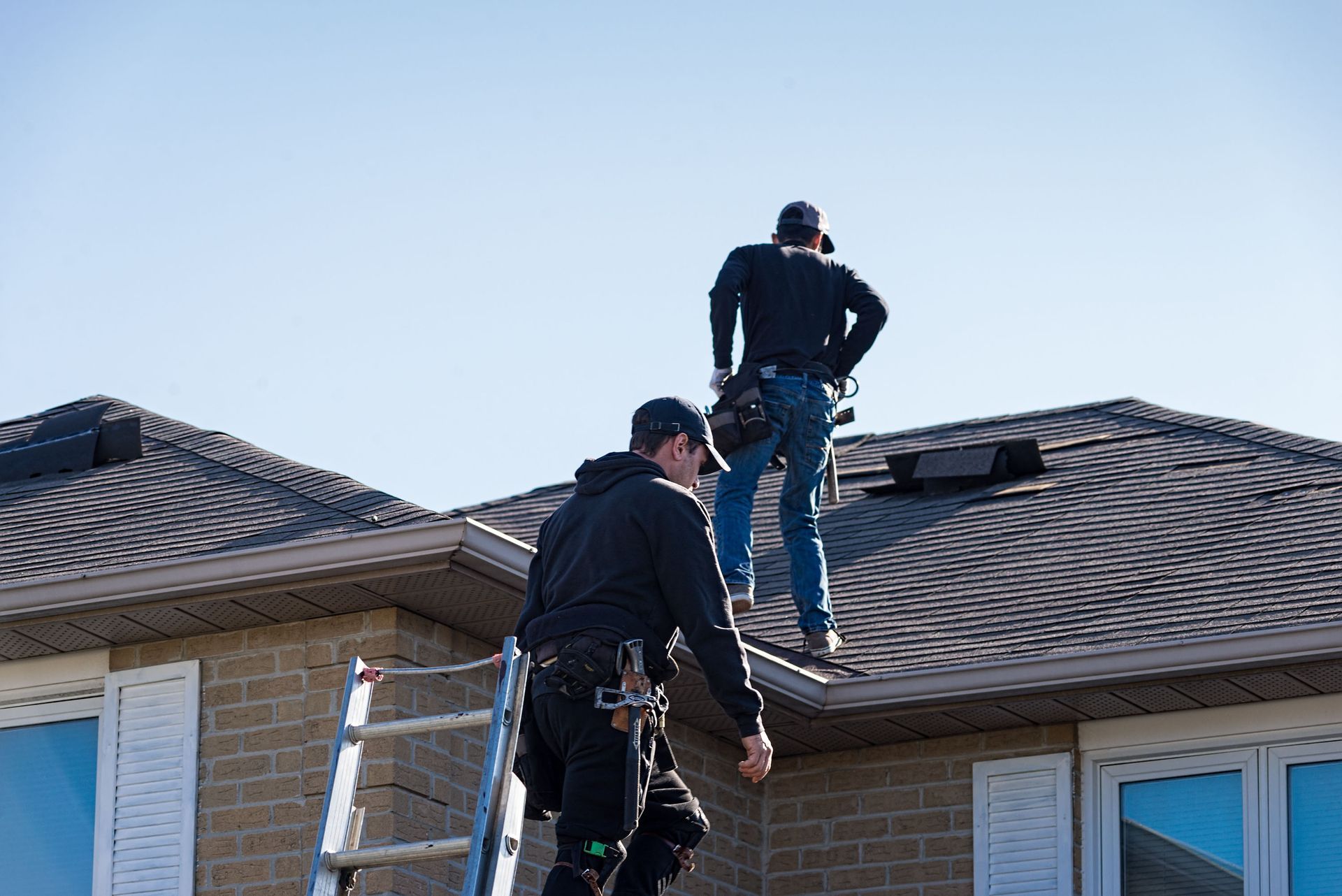
After completing the ground-level scan, the contractor will set up safety equipment and climb onto your roof to conduct a hands-on evaluation. Performing a physical assessment allows the inspector to examine structural elements up close. They will carefully walk the surface, checking for loose, cracked, curling, or entirely missing shingles. They will also inspect the critical high-risk zones of your roofing system, such as the valleys where two slopes meet, as these areas channel large volumes of rainwater.
Special attention is always paid to flashing, which is the thin metal material installed around chimneys, skylights, plumbing vents, and roof edges. Damaged, rusted, or improperly sealed flashing is one of the most common causes of hidden water intrusion. During this phase, the technician may take high-resolution photographs or video footage of every problem area they discover. These photos serve as valuable visual evidence for your records and can be helpful if you need to file a homeowner insurance claim.
Interior and Attic Inspection
Evaluating the top surface of your home tells only half the story. To gain a complete understanding of your home's structural health, the technician may ask to inspect your attic space or rooms directly below the damaged areas.
Inside the attic, the contractor looks for subtle indicators of moisture intrusion that might not be obvious from the outside. They will check the underside of the roof decking for dark water stains, active drips, wood rot, or mold growth. They will also evaluate your attic insulation to ensure it is dry, as wet insulation loses its effectiveness and can trap moisture against your home's framing.
In addition to searching for leaks, the inspector will assess your attic ventilation system. Proper airflow is vital because excessive heat and moisture buildup in an attic can bake shingles from the inside out, causing them to deteriorate prematurely. Ensuring that your intake and exhaust vents are clear helps maintain a balanced temperature across your entire structure.
Assessment and Estimate Review
After completing both the exterior and interior evaluations, the contractor will compile their findings to present a clear picture of your options. They will sit down with you to review the photographs taken during the walk-through, explaining the root cause of any issues they uncovered.
This is the point in the appointment where the professional provides a detailed, written proposal for the necessary roof repair work. A comprehensive estimate clearly outlines the scope of work, including the specific materials required, labor costs, project timelines, and warranty details. The contractor will explain whether the job involves simple shingle replacement, flashing re-sealing, structural wood decking repairs, or pipe boot replacements.
This discussion is your best opportunity to ask questions about the proposed solutions. You can ask about alternative material options, project scheduling, and how the crew will protect your surrounding property during the fix. A reputable contractor will provide transparent answers and never pressure you into making an immediate decision.
On-Site Repair Process
Depending on the scope of work and the agreement you reached during scheduling, the actual roof repair may take place on the same day as the initial inspection, or it may be scheduled for a follow-up visit. For minor issues like a few missing shingles or unsealed flashing, many contractors carry sufficient inventory on their service trucks to complete the fix immediately.
When the physical work begins, the crew will first prepare the work zone to keep your home safe. They may place protective tarps over your landscaping, flower beds, and outdoor furniture to catch falling debris or old roofing nails.
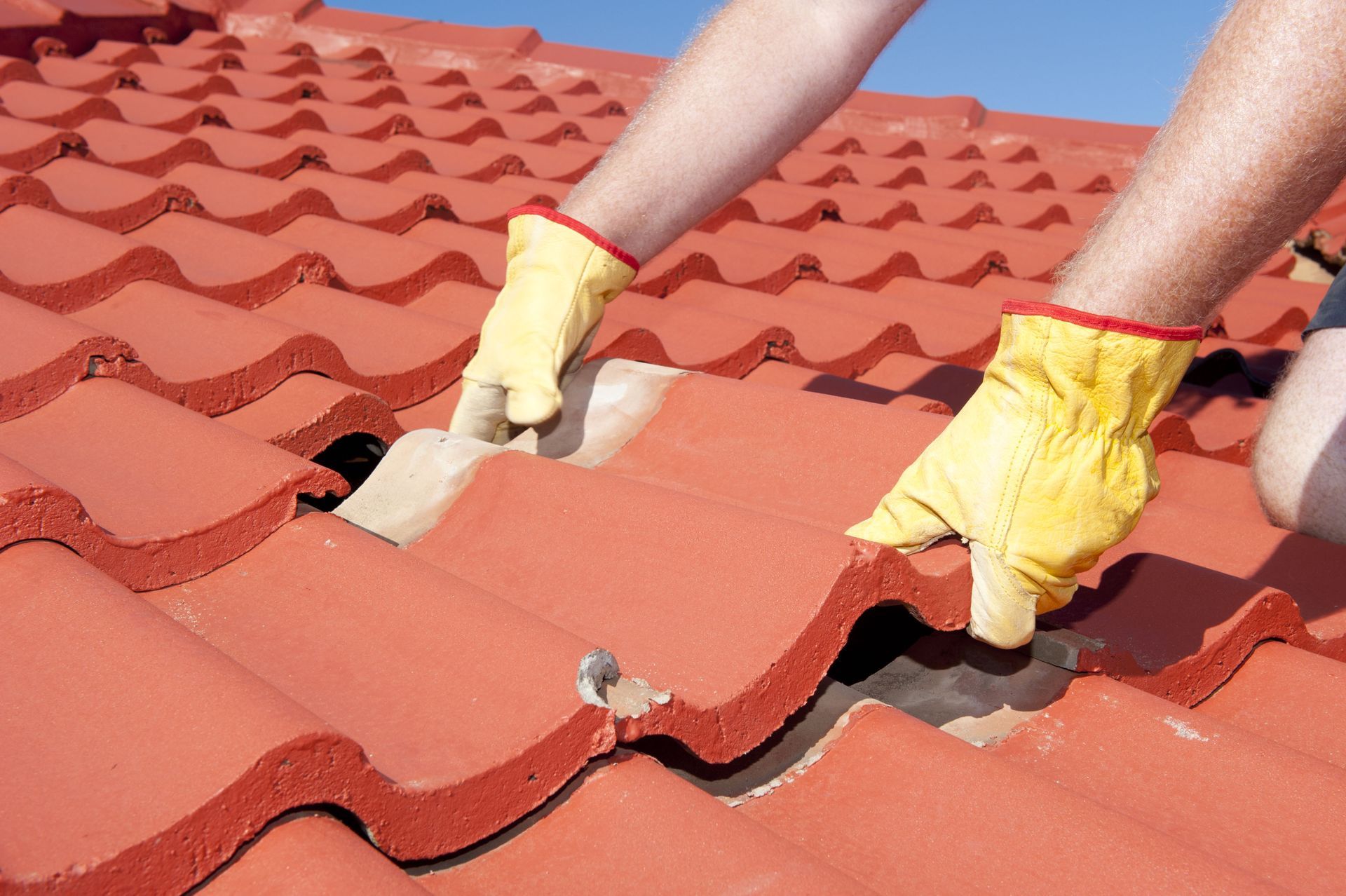
The technicians then carefully remove damaged materials down to the sound wooden decking below. They will inspect the underlying structure to ensure there is no hidden rot before installing new underlayment and replacement shingles that match your existing roof as closely as possible. Throughout the process, the crew uses specialized tools and safety harnesses to ensure every component is fastened securely and sealed against weather intrusion.
Final Inspection and Cleanup
Once the physical fixes are complete, the team shifts its focus to quality control and site restoration. The project lead will perform a final walkthrough of the completed work to ensure that all materials were installed according to manufacturer specifications and local building standards.
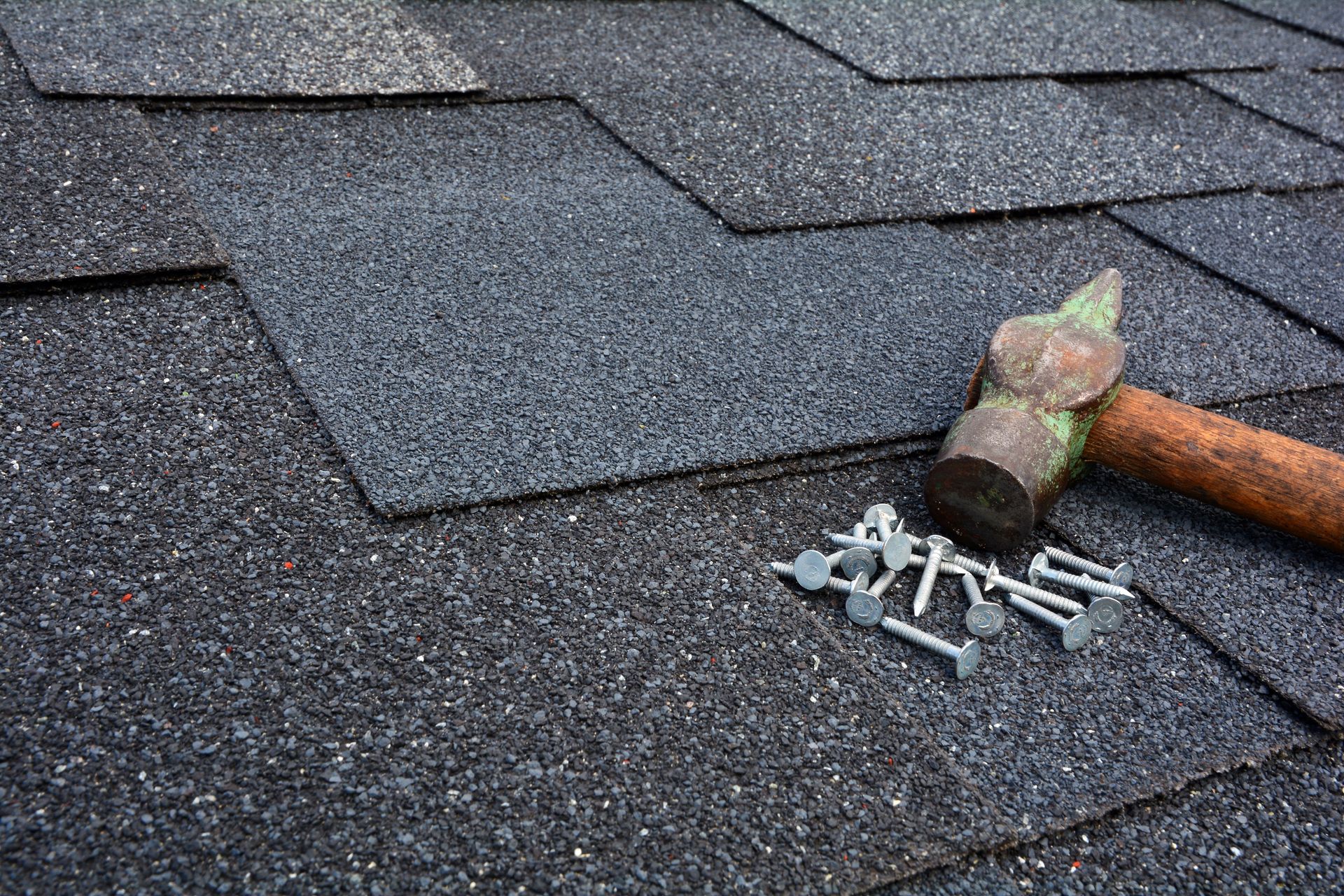
Cleanup is a crucial part of any professional exterior appointment. The crew will gather all discarded materials, old shingles, and packaging scraps from around your yard. They will also run a magnetic sweeper across your lawn, driveway, and flower beds to pick up stray roofing nails, ensuring your property is completely safe for your family and pets.
Before departing, the contractor will provide you with final documentation, including your invoice, warranty information, and care recommendations to keep your system performing at its best. Knowing what to expect during a residential roof repair appointment empowers you to make informed decisions, maintain your home with confidence, and protect your most valuable investment for decades to come. When you are ready to restore your home's exterior with complete confidence, contact G & V Roofing today to schedule your expert consultation and professional roof repair service.