Clay Roof Tile vs. Tile Roofing: Which One is Best for Long Island Homes?
kaye mori • June 27, 2025

June 27, 2025

Clay Roof Tile

Roofing systems in Long Island must resist heavy storms, salt air, and freeze-thaw cycles. Choosing the right tile affects home durability, energy efficiency, and resale value. Local building regulations and architectural styles also play key roles.

Main roofing options include

  • Clay roof tiles— fired natural clay, long-lasting and visually appealing.
  • Concrete tiles— molded cement-based, cost-efficient, but heavier.
  • Slate tiles— natural stone, elegant but extremely heavy and costly.

Why is this comparison important?

Understanding the differences helps homeowners balance cost, aesthetics, and longevity in a coastal climate. The next section defines clay tiles to clarify their unique features.

What Are Clay Roof Tiles?

A clay roof tile is a kiln-fired roofing product made from natural clay or terracotta, hardened by high-temperature heat treatment. It’s often shaped into interlocking or overlapping forms for weatherproofing.

Clay tile features include:

Feature
Detail

Composition

100% natural clay or terracotta

Manufacturing Process

Kiln-fired at 1,000°C+

Common Types

Mission, Spanish, Flat, Interlocking

Sustainability

Renewable resource, recyclable

Texture/Finish

Smooth, rustic, glazed, or unglazed

Why is terracotta used in roofing?

Terracotta provides durability, heat resistance, and moisture control. Its porous structure allows minor breathability, reducing mold and condensation.

Examples of clay tiles:

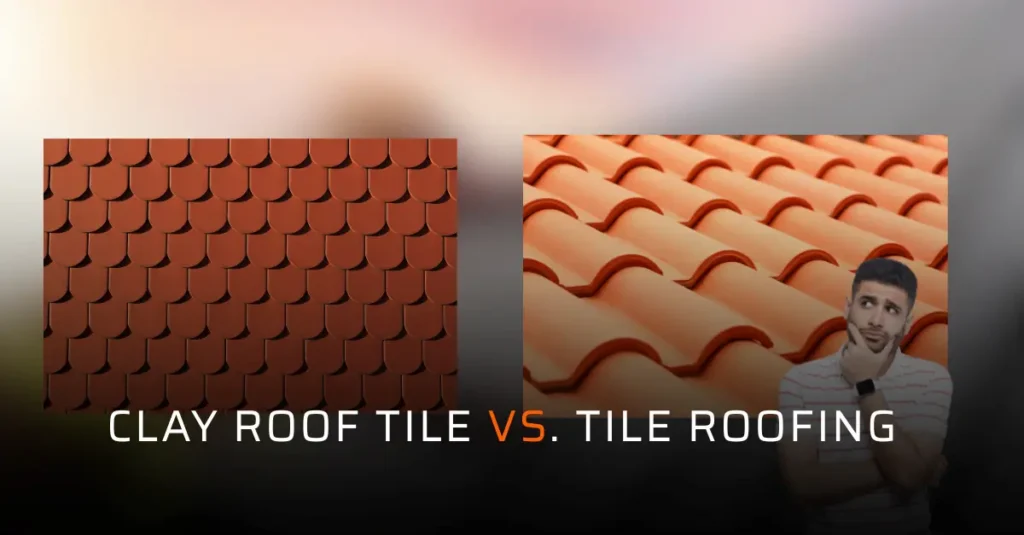
  • S-shaped Spanish tile— popular for Mediterranean-style homes.
  • Flat interlocking tiles— common in colonial architecture.

Up next: we compare clay tiles directly with their biggest competitor — concrete tiles.

Comparing Clay Roof Tile vs. Concrete Tile Roofing

Which is better: clay or concrete roof tiles?

Clay tiles outperform concrete tiles in weather resistance and longevity but are heavier and more expensive.

Comparison Table: Clay vs. Concrete Roof Tiles

Attribute
Clay Tile
Concrete Tile

Lifespan

50–100 years

30–50 years

Weight (per sq.)

600–1,100 lbs

820–1,100 lbs

Maintenance

Low (minimal color fading)

Medium (frequent sealing, fading)

Moisture Absorption

6%–10%

12%–15%

Expansion Risk

Low

Higher (prone to cracking)

Cost per sq. ft.

$10–$18

$7–$12

Thermal benefits:
Clay’s thermal mass maintains indoor temperatures more effectively, reducing HVAC loads.

Maintenance tip:
Clay tiles require less frequent replacement and retain their natural color longer than concrete.

Now let’s look at how well clay tiles hold up to Long Island’s coastal weather conditions.

Why Clay Roof Tile Is Ideal for Long Island Weather

Yes. Clay roof tiles offer high wind resistance, salt corrosion protection, and freeze-thaw durability—all essential in Long Island’s coastal climate.

Performance traits:

  • Wind Resistance: Rated for 110–150 mph gusts when properly installed.
  • Salt Spray Protection: Non-corrosive properties ideal for homes near the coast.
  • Freeze-Thaw Resistance: Low water absorption minimizes cracking.
  • UV Protection: Fired clay resists sun damage and fading.

Clay roofing in hurricane zones: Meets or exceeds New York building code for coastal homes. Tiles are often tested for impact resistance, making them suitable for areas with hail and storm debris.

Next, we analyze how long clay roofs last and how much upkeep they need over time.

Longevity and Maintenance: Clay Roof Tile Lifespan

Clay Roof Tile

Clay tiles can last 75–100 years with minimal maintenance, often outliving the structure beneath them.

Routine maintenance checklist:

  • Annual inspections for cracked tiles or damaged underlayment.
  • Gutter cleaning to prevent overflow onto tile edges.
  • Flashing and sealing checked every 3–5 years.
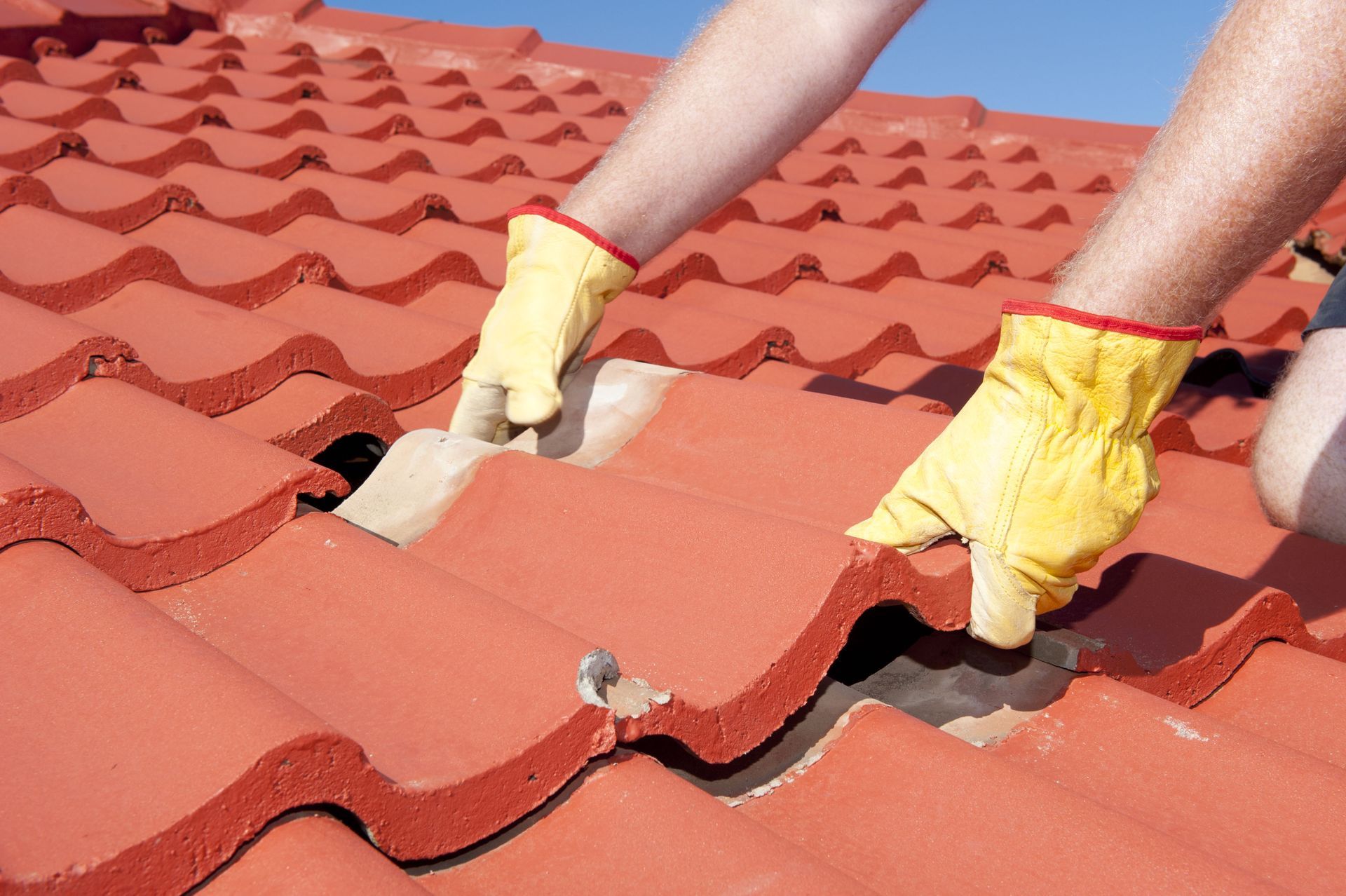
  • Tile replacement: Individual tiles can be swapped without full reroofing.

Durability comparison:

Roofing Type
Average Lifespan
Maintenance Level

Clay Tile

75–100 years

Low

Concrete

30–50 years

Medium

Asphalt

15–30 years

High

Up next, we explore how clay roofing complements Long Island’s architectural styles.

Aesthetic Appeal of Clay Roof Tile for Long Island Architecture

Clay tiles enhance Mediterranean, Colonial, and Spanish Revival homes commonly found in Long Island. Their natural tones and finishes improve curb appeal and property value.

Design advantages:

  • Color Options: Natural reds, browns, and glazed finishes.
  • Shape Profiles: S-curve, flat, barrel, scalloped.
  • Custom Fit: Tiles can be tailored to roof slope and layout.
  • Visual Consistency: Retains look over decades with minimal fading.

Curb appeal boost: Homes with clay tile roofs often appear luxurious and historic, fitting for high-value Long Island neighborhoods like the Hamptons or Oyster Bay.

Next, we detail what’s involved in installing clay tiles in this region.

Installation Considerations for Clay Roof Tile in Long Island

Clay tile installation demands structural reinforcement, skilled contractors, and permits in line with NY building codes.

Key considerations:

  • Weight per 100 sq. ft.: Up to 1,100 lbs; framing must be reinforced.
  • Roof pitch: Minimum 4:12 slope recommended for drainage.
  • Wind uplift precautions: Use of secure fasteners and battens.
  • Permit process: Must comply with local town or village zoning.

Skilled labor is essential: Improper installation can cause tile slippage, leaks, or reduced lifespan. Hire licensed Long Island roofing contractors with tile experience.

Now let’s examine the total cost of ownership vs. other roofing materials.

Cost Analysis: Clay Roof Tile vs. Other Tile Types

Clay Roof Tile

Clay roof tiles have a high upfront cost but offer long-term value through durability and reduced maintenance.

Cost breakdown (per sq. ft.):

Item
Clay Tile
Concrete Tile
Asphalt Shingles

Material Cost

$4–$8

$3–$5

$1–$2

Installation

$6–$10

$4–$7

$2–$3

Lifespan (years)

75–100

30–50

15–30

Cost Amortization/Yr

$0.13–$0.24

$0.22–$0.36

$0.27–$0.60

Home improvement ROI: Clay roofing boosts resale value and may qualify for insurance discounts due to fire and storm resistance.

Next, let’s address clay tile’s environmental profile.

Environmental Impact: Is Clay Roof Tile Eco-Friendly?

Yes. Clay roofing is made from abundant natural resources, is non-toxic, and has low embodied energy.

Eco-benefits of clay roofing:

  • Renewable Materials: Made from raw clay with minimal chemical additives.
  • Energy Efficiency: Reflects sunlight, reducing cooling loads.
  • Recyclability: End-of-life tiles can be crushed for reuse in roadbeds or new tiles.
  • Eco Certifications: Often qualifies for LEED points and other green building credits.

Reduced heat island effect: Light-colored or glazed tiles reflect solar radiation, reducing ambient temperature impacts.

Now let’s clear up some myths around clay tile roofing.

Common Misconceptions About Clay Roof Tile

No. Modern clay tiles are engineered for durability, moderate weight, and long-term cost-efficiency.

Common myths vs. reality:

Myth
Reality

Clay tiles break easily

High impact resistance (tested up to 2″ hail)

Too heavy for most roofs

Reinforced framing handles the load

Fades quickly

Color baked in; minimal UV degradation

Not storm-safe

Meets hurricane zone requirements

Next, see what real Long Island homeowners have experienced with clay roofs.

Real Homeowner Experiences in Long Island with Clay Roof Tile

Homeowners praise clay roofs for their timeless beauty and low maintenance. Many report long-lasting performance in harsh weather with minimal repairs.

Sample case studies:

  • Huntington Bay: Spanish-style home installed in 2010, no major repairs in 14 years.
  • Port Jefferson: Roof upgrade led to a 12% increase in property value.
  • Oceanside: Tiles survived Hurricane Isaias with only minor edge replacement.

Homeowner satisfaction: Most value clay tiles for their quiet during rain, visual appeal, and weather endurance.

To wrap up, we’ll answer common roofing questions.

A green square icon containing a white checkmark.FAQs About Clay Roof Tile for Long Island Homes

Do clay tiles crack in the winter?

Not if properly installed. Low water absorption and freeze-thaw resistance prevent cracking.

Is clay roofing worth the cost in NY?

Yes. It delivers long-term value, low upkeep, and better insurance ratings.

Can I replace individual clay tiles?

Yes. Damaged tiles can be swapped without disturbing surrounding ones.

How heavy is a clay roof?

Around 600–1,100 lbs per 100 sq. ft. Requires structural support.

What’s the best time to check for signs of roof damage?

What’s the difference between ceramic and clay roof tiles?
Ceramic tiles are glazed and smoother; both are fired clay but vary in finish and color durability.

Need help choosing a roof? Contact a certified roofing contractor in Long Island for tailored advice and cost estimates.

Want More High-Quality Roofing Projects on Long Island?

G&V Roofing delivers trusted craftsmanship, reliable service, and local expertise that turns property owners into lifelong clients—all from one professional source.

Our Services:

A simple hammer icon with a grey steel head and a light orange handle, set against a white background. Slate Roofing— Elegant, long-lasting, and perfect for upscale homes.
A light gray icon of a classical building with three columns and a triangular pediment, representing a bank or government. Tile Roofing— Durable and stylish roofing built to handle the Northeast climate.
A light yellow two-story house illustration with a dark gray roof, a red chimney, blue windows, and a brown door on grass. Residential Roofing— From repairs to full replacements, we protect your home like it’s our own.
A stylized, minimalist illustration of a tan building with blue windows and a central tower topped with a small dome. Commercial Roofing— Professional-grade roofing systems for businesses and facilities.
A simple, flat-design blue water drop icon centered on a white background. Gutters— Proper drainage solutions to protect your foundation and landscaping.
A square window with a brown frame and a cross-shaped muntin dividing it into four light blue glass panes. Windows Energy-efficient and beautiful—enhance your view and lower utility bills.
A rectangular red clay brick with three circular holes on its top surface, shown from an isometric perspective. Siding— Boost curb appeal and protect your exterior with high-performance materials.

Learn About:

A white checkmark centered on a rounded green square background.  Choosing the Right Roofing Materials for Long Island Homes
A white checkmark centered on a rounded green square background.  Roofing Tips for Nassau & Suffolk County Weather
A white checkmark centered on a rounded green square background.  How to Spot Roof Damage Before It Becomes Expensive
A white checkmark centered on a rounded green square background.  The Real Cost of Delaying Roof Repairs
A white checkmark centered on a rounded green square background.  Seasonal Roof Maintenance Checklists

A beige two-story house with a grey roof, red chimney, blue windows, and green landscaping against a white background.Looking to Upgrade Your Roof or Protect Your Property Investment?

Whether you’re a homeowner looking for reliable roof solutions or a property manager seeking fast, expert repairs—G&V Roofing is your go-to Long Island partner for long-lasting protection and peace of mind.

A red pushpin oriented diagonally with a silver metal tip, depicted in a simple, flat icon style.Follow Us for the Latest in Roofing Care, Property Protection & Home Improvement:

A light blue musical note symbol on a white background. Tiktok : Watch fast transformations, tips from the crew, and roofing secrets revealed
A simple, dark gray icon of a vintage-style film movie camera. YouTube: Explore step-by-step guides, customer stories, and full project showcases
A stylized, minimalist icon of a black camera with a blue lens and a yellow starburst flash effect. Instagram: See beautiful before-and-afters, behind-the-scenes content, and premium materials
A yellow thumbs-up emoji on a white background. Facebook: Read reviews, see featured jobs, and connect with the local G&V Roofing community

Yellow hand icon pointing to the right.Contact G&V Roofing today and discover why craftsmanship matters
By kaye mori January 14, 2026
What are house siding panels, and why are they important?House siding panels protect exterior walls from moisture, pests, and environmental exposure. They also boost curb appeal and improve a home’s energy efficiency through insulation and thermal resistance. Common House Siding Panel Types and Their Characteristics Siding Type Material Lifespan Maintenance Level Key Features Vinyl PVC-based […]
By kaye mori January 14, 2026
Learn how house siding prevents moisture damage by forming a durable barrier that safeguards your home’s structure, boosts energy efficiency, and supports healthier indoor air. How Does Moisture Affect Your Home’s Structure? Moisture infiltrates the building envelope and causes: Wood rot in structural framing Insulation saturation, reducing thermal performance Degradation of drywall and flooring materials […]
By kaye mori January 14, 2026
Preventative roof maintenance refers to the proactive approach of regularly inspecting and servicing commercial roofing systems to identify and fix minor issues before they escalate into costly problems. Unlike reactive repairs, which are performed after visible damage or leaks occur, preventative roofing maintenance is structured and scheduled and aims to preserve the roof system components […]
Show More →