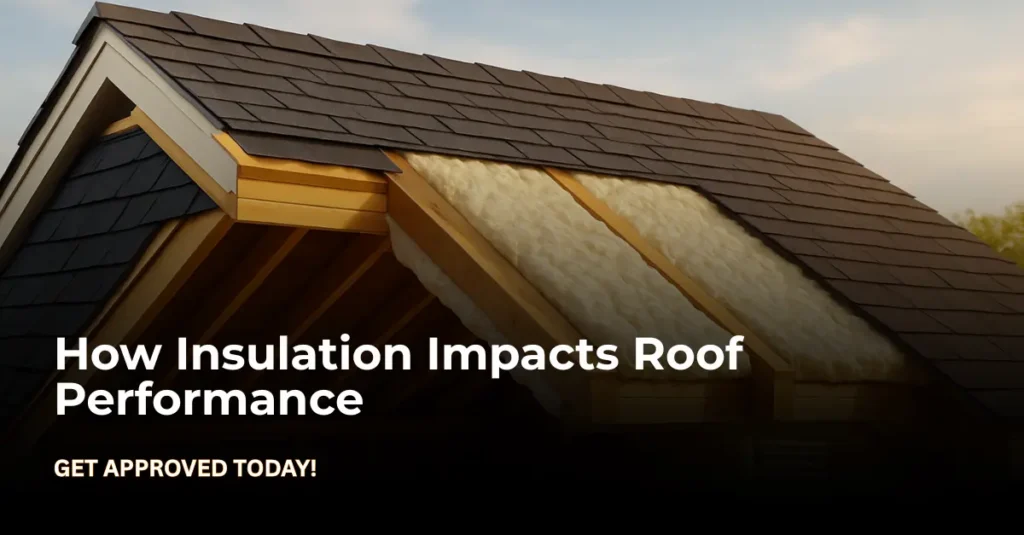
How Insulation Impacts Roof Performance
kaye mori • October 16, 2025

October 16, 2025

Roof Insulation

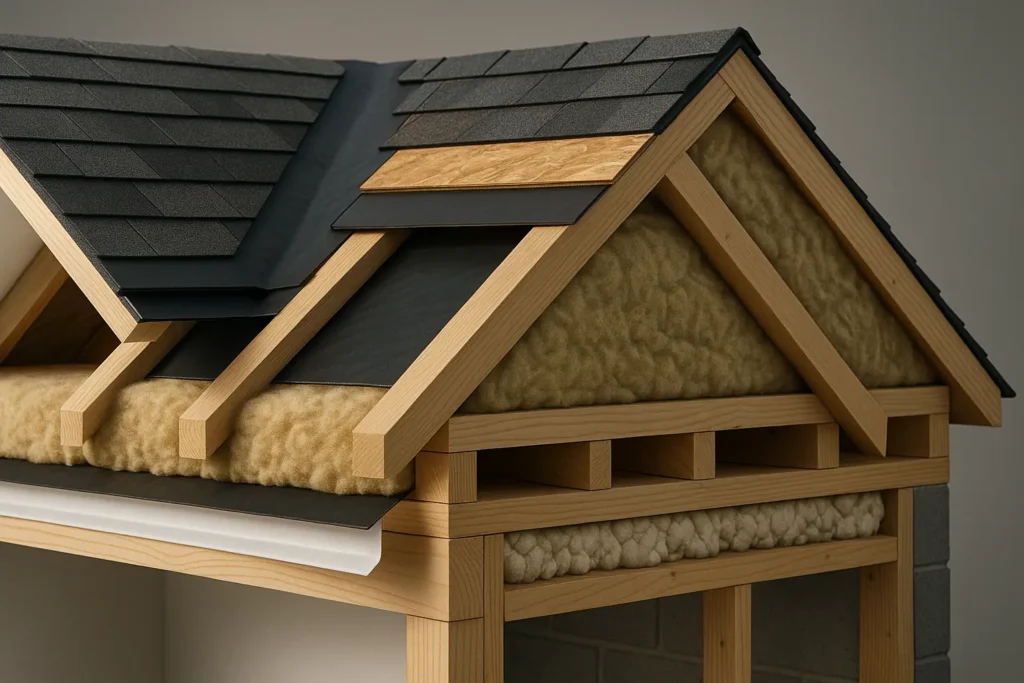
Roof insulation is a protective thermal barrier installed within the building envelope to control energy transfer between indoor and outdoor environments. It plays a key role in maintaining indoor temperatures, enhancing energy efficiency, and improving the lifespan of the roof.

How Does Roof Insulation Work?

Roof insulation slows down heat flow through the roof structure. In cold weather, it retains heat indoors. In warm climates, it keeps heat out. This dual action improves HVAC efficiency, reduces cooling and heating loads, and cuts down utility bills.

What’s the Difference Between Attic and Roof Insulation?

Comparison

Attic Insulation

Roof Insulation

Placement

Floor of attic

Between rafters

Application

Prevents rising heat

Forms sealed barrier

Cost

More affordable

Higher upfront cost

Energy Efficiency

Good

Better, especially in conditioned attics

Why Are R-values Important?

The R-value measures insulation’s resistance to heat flow. Higher R-values provide better thermal resistance. Climate zones and material thickness determine the appropriate R-value.

Material

R-Value per inch

Fiberglass

2.9 – 3.8

Spray Foam (Closed-Cell)

6.0 – 7.0

Rigid Foam

4.5 – 6.5

Cellulose

3.2 – 3.8

Roof insulation helps balance indoor temperature while supporting humidity control and air quality. 

The next section compares the best insulation types for different needs.

Types of Roof Insulation Materials

What Are the Main Types of Roof Insulation?

Different roof insulation materials offer varied benefits depending on budget, climate, and roof design.

1. Fiberglass

  • Cost-effective
  • Available in batts or rolls
  • R-value: 2.9–3.8 per inch
  • Susceptible to moisture and needs a vapor barrier

2. Spray Foam (Open-Cell & Closed-Cell)

  • Air-sealing and high insulation rating
  • Closed-cell: high R-value, moisture-resistant
  • Open-cell: better for soundproofing
  • Ideal for hard-to-reach areas

3. Rigid Foam Boards

  • High compressive strength
  • R-value: 4.5–6.5 per inch
  • Works well on flat roofs

4. Cellulose

  • Made from recycled paper
  • Good thermal and acoustic properties
  • Fire-retardant treated

What’s the Best Roof Insulation by Climate?

Climate Zone

Recommended Material

Hot

Spray foam (closed-cell), radiant barrier

Cold

Fiberglass batts with vapor barrier

Mixed

Rigid foam with moisture protection

Choosing the right insulation material improves performance, sustainability, and ROI.

Now, see how insulation affects energy savings.

How Roof Insulation Enhances Energy Efficiency

Does Roof Insulation Lower Energy Bills?

Yes, roof insulation reduces the workload on HVAC systems by minimizing heat transfer. This leads to measurable drops in both heating and cooling costs year-round.

  • Reduces thermal bridging
  • Slows energy loss through the roof
  • Ensures even seasonal performance

Seasonal Performance Benefits

  • Winter: Blocks heat escape, reducing heating load
  • Summer: Keeps interiors cool, reducing AC usage
  • Year-round: Improves U-value and energy ratings

Example:

According to ENERGY STAR, homeowners can save up to 15% on heating and cooling costs with proper insulation.

Good insulation enhances comfort and savings. 

The next section covers how it also affects indoor climate and health.

Roof Insulation and Indoor Comfort

How Does Roof Insulation Improve Indoor Comfort?

Insulation creates a thermal barrier that prevents drafts, hot spots, and cold zones. It ensures a stable indoor temperature and supports air quality by limiting moisture ingress.

How Insulation Controls Air Quality and Humidity

  • Vapor control layers reduce mold risk
  • Maintains dew point outside living spaces
  • Reduces condensation on ceilings

Common Comfort Complaints Solved by Insulation

Symptom

Likely Cause

Insulation Fix

Uneven temps

Gaps in attic

Add continuous insulation

High humidity

No vapor barrier

Add vapor control layer

Mold

Poor airflow or moisture

Add sealed insulation and vents

Insulation boosts both comfort and air safety. 

Next, see how it preserves your home’s structural integrity.

Roof Insulation and Structural Protection

Roof Insulation

Does Insulation Protect the Roof Structure?

Yes. Roof insulation shields structural components from condensation, freeze-thaw cycles, and thermal expansion. This reduces long-term damage to decking, rafters, and shingles.

Benefits for Structural Integrity

  • Prevents mold and wood rot
  • Limits ice damming near eaves
  • Minimizes expansion/contraction stress

Common Structural Problems Prevented

Problem

Prevention via Insulation

Water damage

Vapor barriers & ventilation

Shingle damage

Temperature regulation

Rafter cracking

Thermal stability

Structural protection improves roof lifespan. 

In the next part, we explain how different roof types require specific insulation strategies.

Roof Insulation for Different Roof Types

What’s the Best Insulation for Pitched, Flat, and Metal Roofs?

Insulation needs change based on roof type, design, and ventilation method.

Flat Roofs

  • Use rigid board or spray foam
  • Ensure drainage slope
  • Avoid moisture traps under the membrane

Pitched Roofs

  • Insulate between rafters
  • Use batting or foam
  • Choose warm vs cold roof strategy

Metal Roofs

  • Require thermal breaks
  • Use closed-cell foam or rigid insulation
  • Avoid condensation buildup

Roof Type

Insulation Type

Special Note

Flat

Rigid foam

Ensure drainage

Sloped

Fiberglass batts

Combine with air barrier

Metal

Closed-cell foam

Include vapor layer

Roof-specific insulation enhances durability and comfort. 

The next section dives into insulation pricing and ROI.

Cost of Roof Insulation Installation

How Much Does Roof Insulation Cost?

Insulation cost depends on material, roof size, and installation complexity. Expect higher prices for spray foam and professional labor.

Insulation Type

Cost per Sq Ft

Fiberglass

$0.50 – $1.00

Spray Foam

$1.00 – $3.00

Rigid Foam

$1.50 – $3.50

Cellulose

$0.60 – $1.20

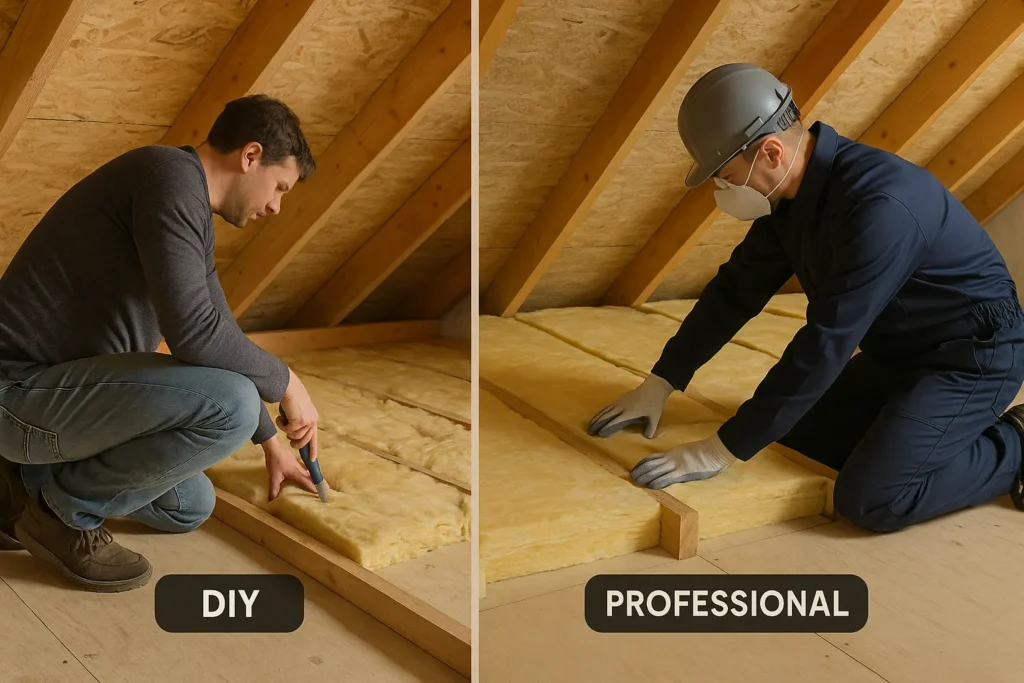
DIY vs. Professional Installation

  • DIY: Lower upfront cost, but risk of poor sealing
  • Professional: Better insulation continuity and ROI

DIY kits include PPE, cutting tools, and blower machines. Installation mistakes can reduce R-value and increase air leakage.

Payback period is typically 3–5 years based on utility savings. 

Next, we look at incentives that lower these costs.

Government Rebates & Roof Insulation Regulations

Are There Rebates for Roof Insulation?

Yes. Federal, state, and local governments offer insulation rebates, tax credits, and grants for energy upgrades.

  • Energy audits qualify homeowners for rebates
  • Must meet minimum R-values per local code
  • Require certified insulation contractors for compliance

Program Type

Benefit

Federal Tax Credit

Up to 30% of cost

Local Utility Rebates

Varies by region

Energy Star Certified Homes

Bonus points for resale

Code compliance ensures you pass building permits and inspections.

The next section explains the environmental benefits of quality insulation.

Roof Insulation and Environmental Impact

How Does Insulation Help the Environment?

Insulation reduces carbon emissions by lowering energy use and decreasing dependence on fossil fuels.

Eco-Friendly Insulation Options

  • Cellulose: Recycled paper
  • Mineral Wool: Natural stone fibers
  • Spray Foam: Available in low-GWP formulations

Green Building Compliance

  • Supports LEED and Passive House certification
  • Reduces embodied carbon when using recycled materials
  • Improves environmental rating of your home

Better insulation equals a smaller climate footprint.

Coming up: how to tell when your insulation needs upgrading.

Signs You Need Better Roof Insulation

How Do You Know If Roof Insulation Is Failing?

Homeowners can spot poor insulation by monitoring comfort levels, energy bills, and moisture signs.

Common Signs of Insulation Problems

  • High heating/cooling bills
  • Drafts or inconsistent temperatures
  • Mold or mildew near ceilings
  • Visible insulation gaps
  • Cold attic surfaces during winter

Tools to Identify Problems

  • Infrared camera scans
  • R-value degradation tests
  • Professional energy audits

If your home experiences any of the above, consider insulation upgrades.

Next, we explain whether you should DIY or hire a pro.

DIY vs. Professional Roof Insulation Installation

Roof Insulation

Should You Install Roof Insulation Yourself?

DIY insulation is possible for small jobs but comes with risks. Consider material type, roof access, and required protective gear.

Factor

DIY

Professional

Cost

Lower

Higher

Safety

Limited

Trained

Quality

Varies

Guaranteed

Tools Needed

Ladder, PPE, cutters

Blower, sealants

When to Hire a Contractor

  • Complex roofs or attic structures
  • Moisture-prone areas
  • High-performance insulation goals

Hiring an insulation installer ensures correct air sealing, R-value compliance, and longer-lasting results. 

Let’s wrap up with common questions.

A white checkmark centered on a rounded green square background.FAQ Section: Signs of Roof Damage

A red
What are the early signs of roof damage?

Water stains, curled shingles, granules in gutters, and sagging lines signal early roof damage.

How can I tell if my roof is leaking or just old?

Leaks show stains, odors, or moisture; old roofs show curling, discoloration, and granule loss.

Is there any concealed signs of roof damage within the attic?

Yes. Look for mold, damp insulation, wood rot, and daylight through rafters.

Can roof damage cause high energy bills?

Yes. Damaged insulation or ventilation can raise heating and cooling costs significantly.

What’s the best time to check for signs of roof damage?

Inspect during spring and fall or immediately after storms or extreme weather.

FAQs About Roof Insulation

Can Roof Insulation Reduce Noise?

Yes. Insulation materials like open-cell spray foam and cellulose provide acoustic insulation, reducing sound by up to 50 dB.

What’s the Best Roof Insulation for Hot Climates?

Radiant barriers and closed-cell spray foam resist heat transfer, making them ideal for hot zones.

Can You Over-Insulate a Roof?

Yes. Over-insulation can trap moisture if vapor control is missing, leading to condensation and mold issues.

How Much Insulation Do I Need?

It depends on your climate zone and local building code. Most homes need R-38 to R-60 in attics.

Is Roof Insulation Good for the Environment?

Yes. It supports green home certification, lowers energy use, and reduces carbon emissions.

Want More High-Quality Roofing Projects on Long Island?

G&V Roofing delivers trusted craftsmanship, reliable service, and local expertise that turns property owners into lifelong clients—all from one professional source.

Our Services:

A gray claw hammer with an orange handle set against a white background. Slate Roofing— Elegant, long-lasting, and perfect for upscale homes.
A light blue, simplified icon of a classical building with a triangular roof and three vertical pillars. Tile Roofing— Durable and stylish roofing built to handle the Northeast climate.
A two-story yellow house icon with a dark gray roof, a red chimney, blue windows, and a brown door on a green lawn. Residential Roofing— From repairs to full replacements, we protect your home like it’s our own.
Flat icon of a tan, multi-story government or civic building with a central dome, blue windows, and a dark gray base. Commercial Roofing— Professional-grade roofing systems for businesses and facilities.
A simple, solid light blue water droplet icon centered on a white background. Gutters— Proper drainage solutions to protect your foundation and landscaping.
A simple, brown-framed window with four panes of blue glass. Windows Energy-efficient and beautiful—enhance your view and lower utility bills.
A single, rectangular, reddish-brown clay brick with three cylindrical holes positioned in a row along its top face. Siding— Boost curb appeal and protect your exterior with high-performance materials.

Learn About:

White checkmark inside a solid, rounded green square.  Choosing the Right Roofing Materials for Long Island Homes
White checkmark inside a solid, rounded green square.  Roofing Tips for Nassau & Suffolk County Weather
White checkmark inside a solid, rounded green square.  How to Spot Roof Damage Before It Becomes Expensive
A white checkmark centered on a rounded square background of medium green.  The Real Cost of Delaying Roof Repairs
A white checkmark centered on a rounded square background of medium green.  Seasonal Roof Maintenance Checklists

A simple icon of a two-story beige house with a grey roof, red chimney, blue windows, and green landscaping.Looking to Upgrade Your Roof or Protect Your Property Investment?

Whether you’re a homeowner looking for reliable roof solutions or a property manager seeking fast, expert repairs—G&V Roofing is your go-to Long Island partner for long-lasting protection and peace of mind.

A red pushpin with a silver metal tip, depicted at an angle on a white background.Follow Us for the Latest in Roofing Care, Property Protection & Home Improvement:

A light blue music note symbol on a white background. Tiktok : Watch fast transformations, tips from the crew, and roofing secrets revealed
A dark grey, flat-style icon of a vintage-style movie camera with two reels on top. YouTube: Explore step-by-step guides, customer stories, and full project showcases
A dark grey camera icon featuring a blue lens and a bright orange starburst graphic representing a flash. Instagram: See beautiful before-and-afters, behind-the-scenes content, and premium materials
A yellow thumbs-up emoji on a white background, representing approval or agreement. Facebook: Read reviews, see featured jobs, and connect with the local G&V Roofing community

A stylized yellow hand icon pointing to the right.Contact G&V Roofing today and discover why craftsmanship matters
By kaye mori January 14, 2026
What are house siding panels, and why are they important?House siding panels protect exterior walls from moisture, pests, and environmental exposure. They also boost curb appeal and improve a home’s energy efficiency through insulation and thermal resistance. Common House Siding Panel Types and Their Characteristics Siding Type Material Lifespan Maintenance Level Key Features Vinyl PVC-based […]
By kaye mori January 14, 2026
Learn how house siding prevents moisture damage by forming a durable barrier that safeguards your home’s structure, boosts energy efficiency, and supports healthier indoor air. How Does Moisture Affect Your Home’s Structure? Moisture infiltrates the building envelope and causes: Wood rot in structural framing Insulation saturation, reducing thermal performance Degradation of drywall and flooring materials […]
By kaye mori January 14, 2026
Preventative roof maintenance refers to the proactive approach of regularly inspecting and servicing commercial roofing systems to identify and fix minor issues before they escalate into costly problems. Unlike reactive repairs, which are performed after visible damage or leaks occur, preventative roofing maintenance is structured and scheduled and aims to preserve the roof system components […]
Show More →