How Weather Affects the Lifespan of Your Roof
kaye mori • November 26, 2025

November 26, 2025

Roof Lifespan

Roof lifespan refers to the number of years a roof system can perform before needing major repair or replacement. Most homeowners underestimate how weather conditions—not just material choice—affect roof durability.

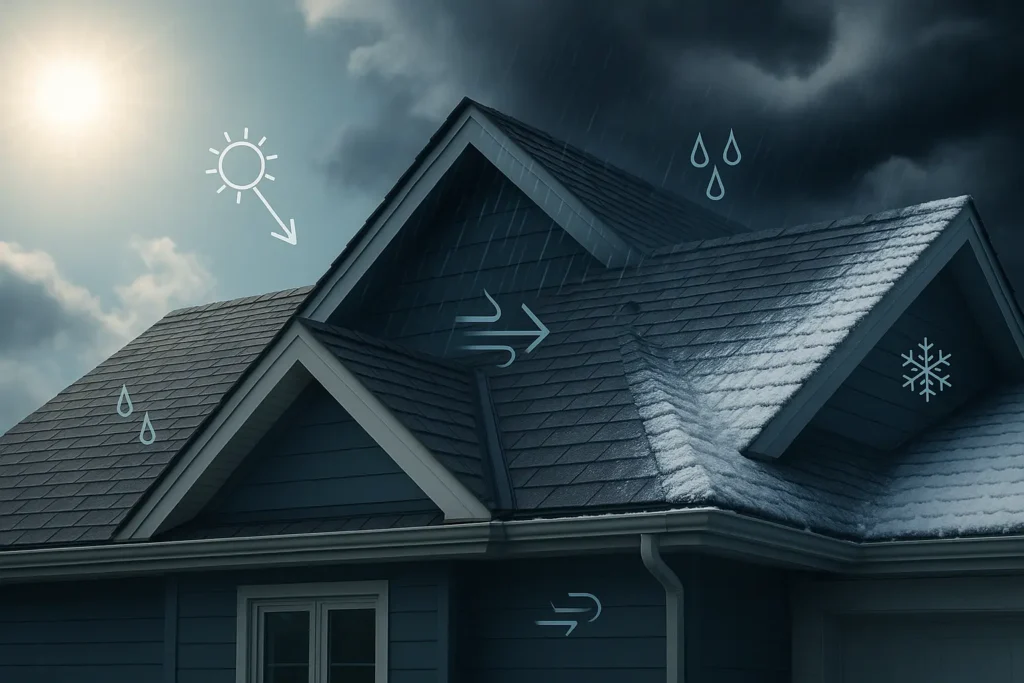
Weather acts as a constant stressor. It causes thermal expansion, moisture infiltration, UV degradation, and physical damage. These forces lead to roofing material fatigue, surface wear, and gradual failure. The combination of climate, exposure levels, and seasonal extremes defines how long a roof lasts in a specific region.

Next, we’ll explore what determines average roof lifespan and how different materials and choices influence it.

In this guide, you’ll find the 10 most critical warning signs of roof damage that should never be ignored, plus practical tips on how to assess them and act fast.

Roof Lifespan Basics: What It Means & Why It Varies

Roof lifespan is influenced by:

  • Material type
  • Installation quality
  • Maintenance frequency
  • Climate exposure
  • Roof design and pitch

Roofing Material

Average Lifespan (Years)

Durability Rating

Asphalt Shingles

15–30

Moderate

Metal Roofing

40–70

High

Clay Tiles

50–100

Very High

Wood Shakes

20–40

Variable

Slate Roofing

75–150

Extremely High

Poor installation or lack of maintenance can reduce even high-end roof lifespan by 30–40%. Conversely, proper upkeep can extend roofing longevity by 25%.

Up next: How different climate zones impact the life expectancy of roofing systems.

Climate Zones and Roof Lifespan Differences

Different climate zones apply varying levels of stress to roofing systems. Data from Energy.gov and inspection reports shows clear patterns in regional wear and tear.

Performance by climate:

  • Humid Areas : High moisture and moss growth reduce lifespan by promoting rot and algae.
  • Coastal Regions : Salt-laden air causes corrosion, especially to metal and fasteners.
  • Snow Belt Areas : Freeze-thaw cycles and snow weight lead to structural fatigue.
  • Arid Zones : UV load and thermal expansion cause warping and sealant failures.
  • Sunbelt Regions : Constant solar radiation causes premature fading, cracking, and adhesive decay.


Roofing in extreme climates typically loses 20–35% of its expected roof lifespan without protective upgrades or proactive maintenance.

Coming up: The role of sun and heat in degrading roof materials.

Sun and Heat Damage: UV Impact on Roof Lifespan

Prolonged UV exposure and thermal cycling cause rapid roof aging in hot climates. Roofing materials, especially asphalt shingles, experience:

  • Photodegradation —UV breaks down chemical bonds.
  • Cracking and blistering —Materials expand and contract daily.
  • Fading and discoloration —Loss of reflectivity leads to heat absorption.
  • Insulation decay —Heat accelerates material breakdown under the deck.

Roofing Feature

UV Resistance Level

Solar Reflectance Index (SRI)

Higher SRI = Cooler Roof

Polymer Shingles

Good UV Resistance

EPDM Rubber Roofs

Moderate UV Resistance

Heat accelerates deterioration in adhesives and sealants, which leads to edge lifting and membrane exposure.

Next: How rain, moisture, and mold compromise roof longevity.

Rain, Moisture & Mold: How Wet Weather Deteriorates Roof Lifespan

Wet climates cause moisture penetration, one of the main culprits behind roof failure. Water infiltration can result from:

  • Blocked gutters causing pooling
  • Flashing failure around vents and chimneys
  • Underlayment degradation allowing water to reach the roof deck

Moisture leads to:

  • Rot in wooden structures
  • Moss and algae growth
  • Mold formation in attic insulation
  • Structural weakening due to saturation

In areas with more than 40 inches of annual rainfall, roofs degrade 30% faster without waterproofing systems.

Next: How snow and ice cause physical damage to roofing structures.

Snow Load & Ice Damage: Winter’s Role in Reducing Roof Lifespan

Roof Lifespan

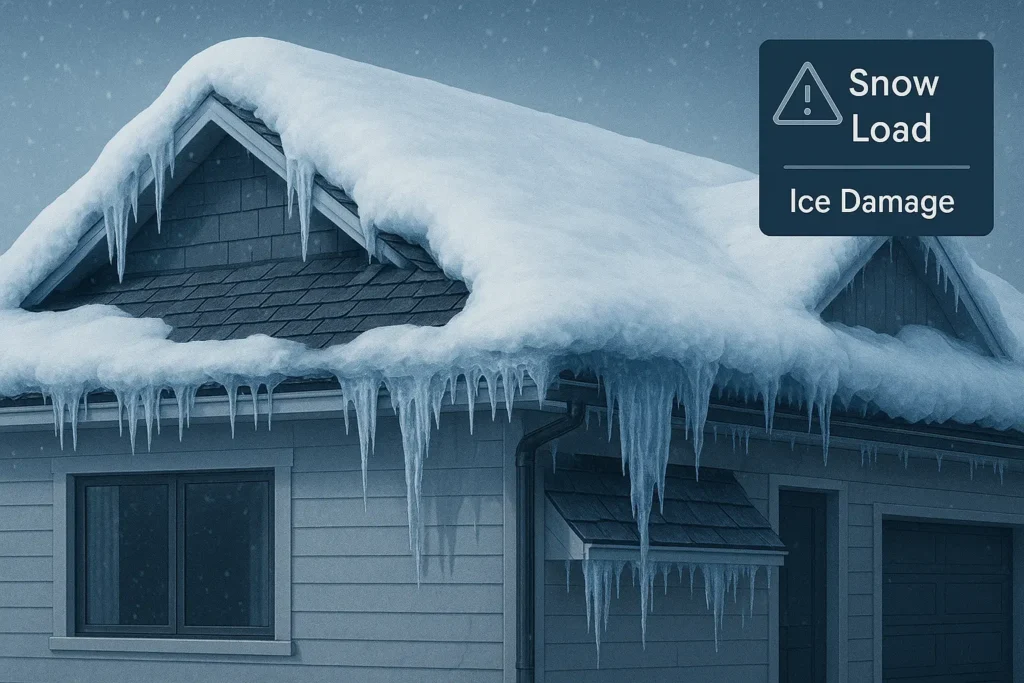
Snow accumulation adds weight to the structure, causing long-term stress. Ice dams form when heat from the attic melts snow unevenly. This melted water refreezes at the edges, creating blockages and forcing water under shingles.

Key damage indicators:

  • Sheathing cracks from snow weight
  • Water leaks from ice dam penetration
  • Freeze-thaw expansion causing material splits
  • Condensation leading to attic mold

Use of ice melt systems and proper attic insulation can prevent damage in snow-heavy zones.

Coming up: The effect of wind and storms on roof durability.

Wind and Storm Damage: Roof Lifespan in Extreme Weather

High-speed winds lift shingles, break seals, and cause edge damage. In tornado or hurricane-prone zones, uplift resistance is key.

Wind-related roofing risks:

  • Shingle loss due to poor fastening
  • Ridge vent compromise from debris impact
  • Seal failure leading to leaks
  • FEMA recommends using Class F-rated fasteners in high-wind regions

In storm-hit areas, unmaintained roofs fail 2x faster than reinforced ones.

Next: How hailstorms accelerate roofing degradation.

Hail Damage and Roof Lifespan Reduction

How does hail affect different roof types?

Hailstorms cause both visible and microscopic damage. Roofing materials react differently:

Roofing Material

Hail Resistance

Common Damage

Asphalt Shingles

Low–Medium

Granule loss, bruising

Metal Panels

High

Dents, cosmetic marks

TPO Membranes

Medium

Punctures, cracks

Clay Tiles

Low

Breakage, chipping

Hail often causes granule loss, exposing membranes to UV and shortening roof lifespan. Look for Class 4 Impact Ratings when choosing hail-resistant materials.

Insurers may reduce payout if a roof lacks documented inspections or impact-resistant features.

Next: How maintenance extends roof life even in tough climates.

Maintenance as a Roof Lifespan Multiplier

Yes. Proactive roof maintenance can extend life expectancy by 15–25%. Common practices include:

  • Seasonal inspections
  • Gutter cleaning
  • Moss and debris removal
  • Minor repairs (cracked tiles, missing shingles)
  • Sealing exposed areas

A consistent inspection checklist detects early signs of trouble. Regular upkeep prevents escalation, especially after storms.

Next: Innovations in roofing material technology that resist weathering better.

Roofing Material Technology vs. Weather

Advancements in roofing materials significantly enhance weather resistance:

  • Cool roofs with reflective coatings reduce UV damage
  • Polymer-modified asphalt shingles resist cracking and thermal stress
  • Synthetic underlayments improve waterproofing
  • Breathable membranes control condensation under the deck

Technology

Benefit

Solar Reflective Shingles

UV Protection + Energy Savings

Radiant Barriers

Heat Reflection

Green Roof Systems

Stormwater Management

Composite Tiles

Lightweight + Durable

Up next: How to choose the right roof for your regional weather.

Choosing the Right Roof for Your Climate

Roof Lifespan

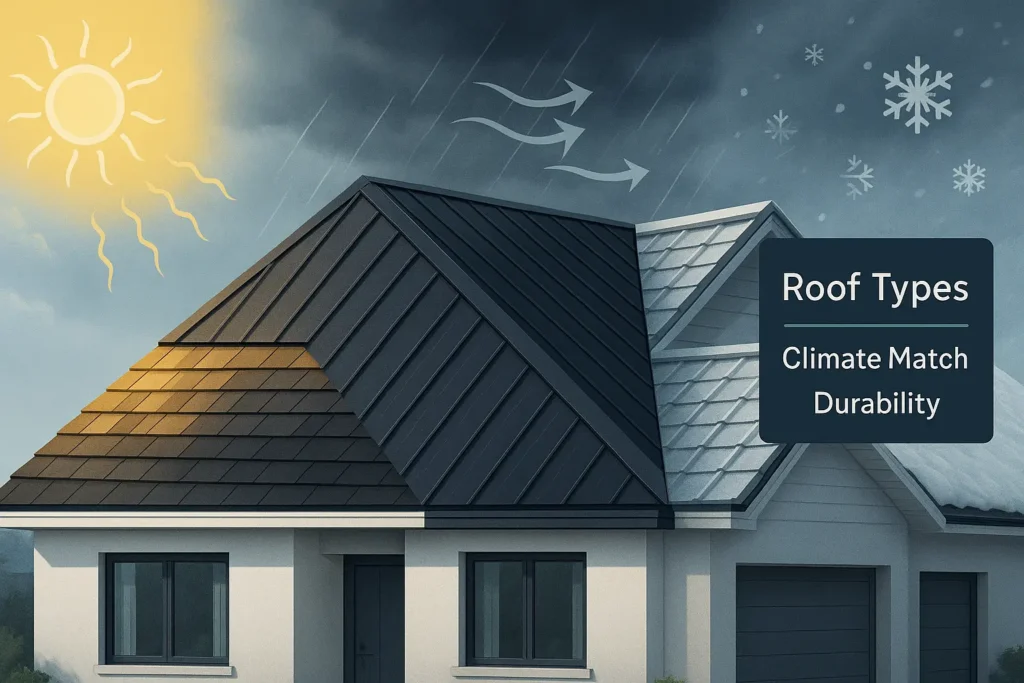
Choosing the right roofing requires alignment with local weather patterns and building codes.

Tips for climate-smart selection:

  • In hot climates: Use light-colored, high-SRI materials
  • In wet climates: Choose mildew-resistant and watertight systems
  • In snowy zones: Pick steep-slope roofs with ice protection
  • In storm regions: Install impact- and wind-rated shingles

Consult a certified roofing contractor who understands regional conditions and energy efficiency codes. Long-term performance should balance initial cost with durability metrics.

Below: Answers to top roofing lifespan questions.

Roof Lifespan FAQs

How long does a roof last in extreme heat?

Roofs in hot climates last 10–30% less than average unless they use reflective coatings or heat-resistant materials.

Can hail shorten a roof’s lifespan?

Yes, hail causes granule loss, bruising, and cracks, reducing lifespan by 5–15 years depending on material and impact severity.

What type of roof lasts the longest in rainy climates?

Metal roofing and slate tiles perform best in wet regions due to their mold resistance and low water absorption.

Does snow damage shorten roof life?

Yes, ice dams and snow loads cause leaks and structural damage, reducing lifespan by 20–40% if not properly managed.

What is the best way to increase roof lifespan?

Routine inspection, debris removal, sealing leaks, and prompt repairs extend roof life by over 20% in most weather zones.

Want More High-Quality Roofing Projects on Long Island?

G&V Roofing delivers trusted craftsmanship, reliable service, and local expertise that turns property owners into lifelong clients—all from one professional source.

Our Services:

A hammer with a grey metal head and an orange handle, shown on a white background. Slate Roofing— Elegant, long-lasting, and perfect for upscale homes.
A classic, light blue temple-style building with a triangular pediment supported by three columns. Tile Roofing— Durable and stylish roofing built to handle the Northeast climate.
A two-story yellow house icon with a dark gray roof, a red chimney, blue windows, a brown door, and a green base. Residential Roofing— From repairs to full replacements, we protect your home like it’s our own.
A stylized illustration of a tan, multi-story government or office building with blue windows and a central dome. Commercial Roofing— Professional-grade roofing systems for businesses and facilities.
A simple, light blue water droplet icon centered against a white background. Gutters— Proper drainage solutions to protect your foundation and landscaping.
A simple, brown-framed window with four square panes of light blue glass, reflecting light in the top-right and bottom-left. Windows Energy-efficient and beautiful—enhance your view and lower utility bills.
An isometric illustration of a rectangular red clay brick with three circular holes along the top surface. Siding— Boost curb appeal and protect your exterior with high-performance materials.

Learn About:

A white checkmark icon inside a rounded, light green square.  Choosing the Right Roofing Materials for Long Island Homes
A white checkmark icon inside a rounded, light green square.  Roofing Tips for Nassau & Suffolk County Weather
A white checkmark icon inside a rounded, light green square.  How to Spot Roof Damage Before It Becomes Expensive
A white checkmark icon inside a rounded, light green square.  The Real Cost of Delaying Roof Repairs
A white checkmark icon inside a rounded, light green square.  Seasonal Roof Maintenance Checklists


A two-story tan house with a dark roof, red chimney, and blue windows, situated on a green lawn with trees.Looking to Upgrade Your Roof or Protect Your Property Investment?

Whether you’re a homeowner looking for reliable roof solutions or a property manager seeking fast, expert repairs—G&V Roofing is your go-to Long Island partner for long-lasting protection and peace of mind.

A red pushpin with a silver metal tip angled to the left against a white background.Follow Us for the Latest in Roofing Care, Property Protection & Home Improvement:

A light blue music note symbol against a white background. Tiktok : Watch fast transformations, tips from the crew, and roofing secrets revealed
A dark gray icon of a vintage film movie camera with two reels on top. YouTube: Explore step-by-step guides, customer stories, and full project showcases
A flat, dark gray camera icon with a blue circular lens and a yellow starburst shape representing a camera flash. Instagram: See beautiful before-and-afters, behind-the-scenes content, and premium materials
A yellow thumbs-up emoji on a white background. Facebook: Read reviews, see featured jobs, and connect with the local G&V Roofing community

A yellow hand icon with an extended index finger pointing to the right.Contact G&V Roofing today and discover why craftsmanship matters
By kaye mori January 14, 2026
What are house siding panels, and why are they important?House siding panels protect exterior walls from moisture, pests, and environmental exposure. They also boost curb appeal and improve a home’s energy efficiency through insulation and thermal resistance. Common House Siding Panel Types and Their Characteristics Siding Type Material Lifespan Maintenance Level Key Features Vinyl PVC-based […]
By kaye mori January 14, 2026
Learn how house siding prevents moisture damage by forming a durable barrier that safeguards your home’s structure, boosts energy efficiency, and supports healthier indoor air. How Does Moisture Affect Your Home’s Structure? Moisture infiltrates the building envelope and causes: Wood rot in structural framing Insulation saturation, reducing thermal performance Degradation of drywall and flooring materials […]
By kaye mori January 14, 2026
Preventative roof maintenance refers to the proactive approach of regularly inspecting and servicing commercial roofing systems to identify and fix minor issues before they escalate into costly problems. Unlike reactive repairs, which are performed after visible damage or leaks occur, preventative roofing maintenance is structured and scheduled and aims to preserve the roof system components […]
Show More →