Top House Siding Materials in New York Homeowners
kaye mori • December 22, 2025

December 22, 2025

best house siding

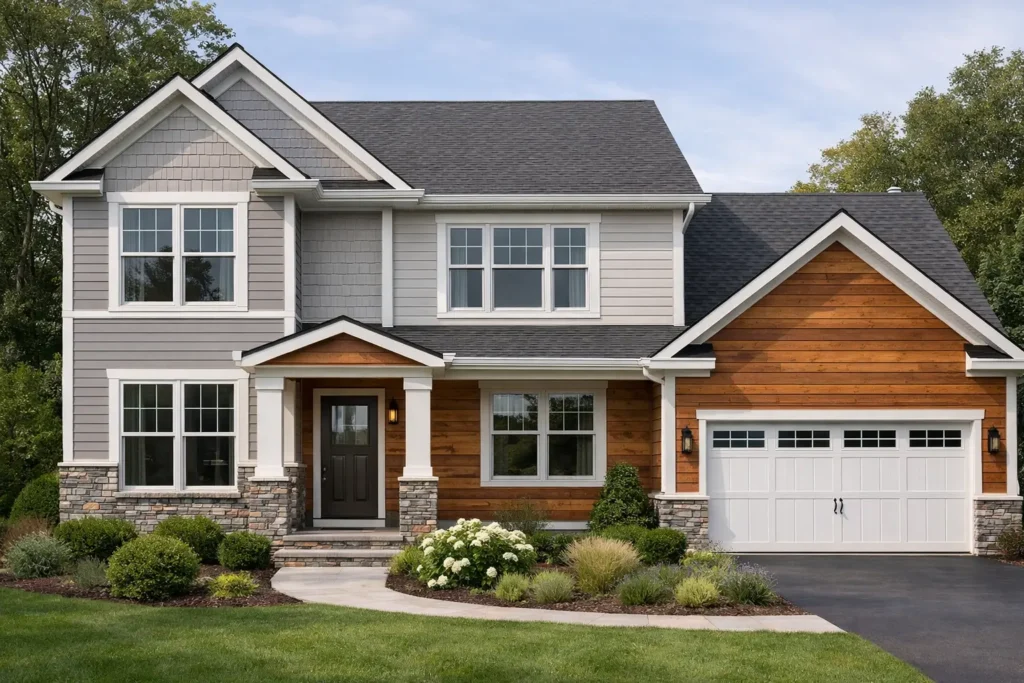
The best house siding materials balance durability, insulation, and curb appeal. In New York, siding must withstand freeze-thaw cycles, high humidity, snow, and urban pollution. It also needs to fit the architectural style and building code of local neighborhoods.

House siding refers to the protective material attached to the exterior walls of a home. It’s part of the building envelope that guards against weather, improves energy efficiency, and boosts curb appeal. Whether you live in Brooklyn or Buffalo, choosing the right exterior cladding impacts your home’s value and maintenance needs.

Popular siding materials include:

  • Vinyl —budget-friendly and low-maintenance
  • Fiber cement —highly durable and fire-resistant
  • Wood —traditional charm with natural aesthetics
  • Engineered wood – combines wood looks with performance
  • Metal —modern, durable, and sustainable
  • Brick or stone veneer —timeless and prestigious

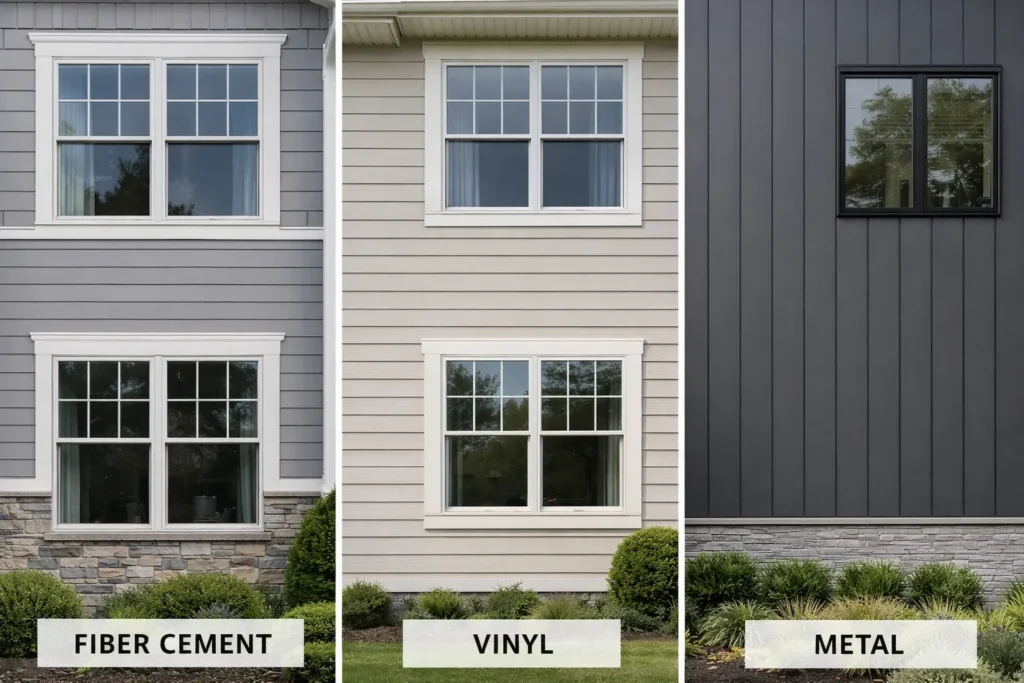
Each best house siding type comes with trade-offs in siding durability, maintenance, thermal performance, and siding cost.

Next, we’ll look at the most important factors to weigh before making a siding investment.

Factors to Consider When Choosing the Best House Siding Materials

Choosing the best house siding involves balancing cost, climate compatibility, energy efficiency, and aesthetics. Here are the key considerations for New York homeowners:

1. Budget and Installation Costs

  • Vinyl and engineered wood offer the lowest cost per square foot
  • Stone veneer, fiber cement, and brick rank among the most expensive
  • Consider lifetime cost, not just upfront prices

2. Energy Efficiency and R-Value

  • R-value measures insulation performance
  • Insulated vinyl, fiber cement, and wood can improve R-values
  • Better insulation reduces heating bills during cold NY winters

3. Climate Resistance

  • Materials must endure freeze-thaw cycles, coastal winds, and heavy snow
  • Look for impact resistance, moisture resistance, and UV protection

4. Maintenance Requirements

  • Wood siding requires regular staining or sealing
  • Vinyl, fiber cement, and metal offer low-maintenance siding options

5. Resale Value

  • High-end materials like stone, brick, or Hardie board boost property value
  • Matching siding to neighborhood styles increases architectural compatibility

6. Building Code and HOA Compliance

  • Historic districts may restrict synthetic materials
  • Check with local authorities before selecting your siding type

Understanding these factors helps you select siding that meets both functional and visual goals. 

Next, we explore how New York’s climate affects siding performance.

Climate Impact—Best House Siding Materials for New York Weather

New York’s weather demands siding that withstands intense temperature changes, precipitation, and UV exposure. From lake-effect snow in Syracuse to salty sea breezes on Long Island, weather resilience is critical.

Key Climate Stressors in NY:

Climate Factor

Siding Requirement

Freeze-thaw cycles

Flexibility, crack resistance

Heavy precipitation

Watershedding design, mold resistance

Summer heat/UV rays

Fade resistance, color retention

Windstorms

Secure fastening, impact-rated materials

Humidity

Moisture control, rot resistance

Vinyl siding, when insulated and properly installed, resists water penetration and thermal expansion. Fiber cement siding excels in resisting rot, pests, and fire, while metal siding withstands corrosion and wind damage.

In the next sections, we’ll dive into the pros and cons of each material—starting with vinyl siding.

Vinyl Siding—A Cost-Effective Favorite

Vinyl siding is the most popular siding option in New York due to its affordability and low maintenance. Made from polyvinyl chloride (PVC), it resists moisture, fading, and pests.

Advantages of Vinyl Siding:

  • Budget-friendly: $4–$8 per sq. ft. installed
  • Low maintenance: no painting or staining
  • Variety of styles: lap, shingle, vertical panels
  • Color retention technology minimizes fading
  • Compatible with insulation backing for better R-value

Drawbacks:

  • Can crack under extreme cold if too thin
  • Seams may be visible if not properly installed
  • Limited resistance to high impact

Vinyl siding in New York is ideal for budget-conscious homeowners seeking quick installation and curb appeal. Premium versions with thicker panels and fade-resistant coatings perform better in harsh climates.

Now, let’s compare a more robust option—fiber cement siding.

Fiber Cement Siding—Durable and Fire-Resistant

Fiber cement siding, such as James Hardie boards, offers unmatched durability and fire resistance. It’s made from asbestos-free cement, cellulose fiber, and sand.

Benefits of Fiber Cement Siding:

  • Fire-resistant with high safety ratings
  • Resists termites, rot, and moisture
  • Holds paint exceptionally well for 10–15 years
  • Mimics the look of wood or masonry
  • Long lifespan: 30–50 years

Considerations:

  • Higher cost: $9–$14 per sq. ft. installed
  • Heavier material needs a skilled contractor for installation
  • Prone to chipping at edges if mishandled

Cement board siding suits both urban and rural New York homes. It’s a preferred option in regions prone to humidity and wildfire risk.

For historic homes, wood siding remains a top choice.

Wood Siding—Classic Aesthetics for Historic NY Homes

Wood siding offers timeless beauty, especially for colonial and craftsman-style homes in New York. Popular types include cedar, redwood, and pine.

Wood Siding Types:

  • Clapboard – horizontal planks with overlapping edges
  • Shiplap – tight fit with a smooth finish
  • Board-and-batten – rustic vertical paneling

Advantages:

  • Warm, natural grain texture
  • Customizable with stains and paint
  • Adds value in historic neighborhoods

Challenges:

  • High maintenance: needs sealing every 2–5 years
  • Vulnerable to pests and moisture without treatment
  • Cost: $7–$12 per sq. ft. installed

Wood siding in NY homes is ideal for homeowners valuing authentic design over minimal upkeep.

Prefer a wood look with fewer maintenance demands? Engineered wood is next.

Engineered Wood and Composite Siding Options

Engineered wood siding, such as LP SmartSide, combines real wood fibers with resin binders for enhanced performance.

Features of Engineered Wood Siding:

  • Treated with SmartGuard® for decay and pest resistance
  • Lighter than fiber cement, easier to install
  • Replicates real wood grain with factory finishes
  • Cost-effective: $6–$10 per sq. ft. installed
  • Sustainable: made from renewable wood fiberboard

Advantages:

  • Stronger than traditional wood
  • Pre-finished options reduce painting needs
  • Better resistance to impact and weather

Composite siding suits homeowners wanting the look of wood with fewer upkeep demands.

For ultra-modern or industrial looks, metal siding is next.

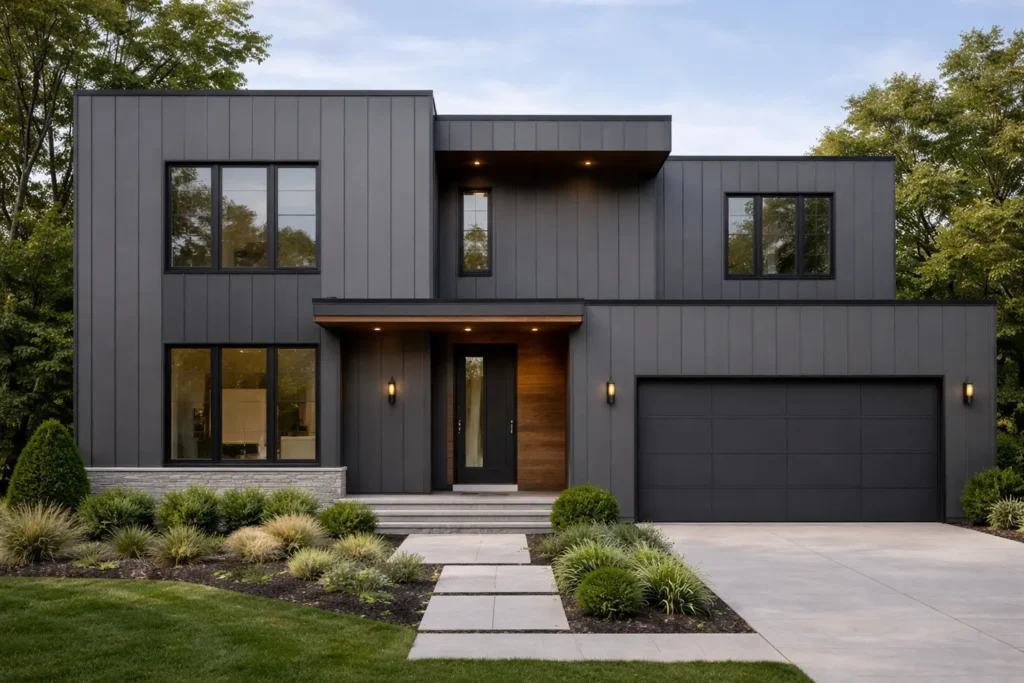
Metal Siding—Modern Minimalism & Industrial Strength

best house siding

Metal siding, especially aluminum and steel, is gaining popularity in NY for its durability and sleek aesthetics.

Pros of Metal Siding:

  • Excellent fireproof siding option
  • Resistant to rot, insects, and mold
  • Reflective coatings improve energy efficiency
  • Low maintenance: resists oxidization and rust
  • Sustainable and often made from recycled metal

Drawbacks:

  • Dents easily with hail or impact
  • Cost: $7–$12 per sq. ft. installed
  • Industrial style may not suit all homes

Metal cladding fits NYC townhouses and modern upstate homes. It’s especially useful in urban environments with high pollution.

For a timeless, stately look, explore masonry siding next.

Brick & Stone Veneer – Timeless Strength and Prestige

Brick and stone veneer siding provides a luxurious and durable facade that stands up to New York weather.

Brick & Stone Veneer Options:

  • Full brick —traditional, durable, and heavy
  • Stone veneer —lighter faux stone panels
  • Natural stone —high-end limestone or granite facades

Benefits:

  • Long-lasting: over 75 years
  • Excellent thermal mass for insulation
  • Low maintenance
  • Premium look for resale value

Costs:

  • $10–$20 per sq. ft. installed
  • Mortar, masonry anchors, and skilled labor needed

Masonry siding fits stately homes, brownstones, and buildings in historic NYC districts.

Prefer a green solution? See eco-friendly siding choices next.

Sustainable and Eco-Friendly House Siding Materials

Eco-friendly best house siding options reduce your carbon footprint and support sustainable construction.

Top Green Siding Materials:

  • Reclaimed wood —salvaged timber with character
  • Recycled metal —aluminum or steel with post-consumer content
  • Cork siding —natural insulation, biodegradable
  • Bamboo – fast-growing, renewable resource
  • Fiber cement —long-lasting and LEED compliant


Sustainability Attributes:

  • Low VOC finishes
  • Toxin-free siding options
  • Energy recovery through better insulation
  • Sourced from sustainable manufacturing processes


Sustainable siding in NY fits eco-conscious homeowners seeking both beauty and performance.

Now, let’s compare siding prices to plan your investment.

Cost Comparison of the Best House Siding Materials in NY

best house siding

Siding Material

Avg. Price/Sq. Ft. Installed

Lifespan

Maintenance Level

Vinyl

$4–$8

20–30 years

Low

Fiber Cement

$9 – $14

30–50 years

Moderate

Wood

$7–$12

20–40 years

High

Engineered Wood

$6–$10

20–30 years

Low

Metal

$7–$12

40–60 years

Low

Brick/Stone Veneer

$10–$20

50–100 years

Low

Prices vary based on square footage, local contractor rates, and installation complexity. Always request multiple quotes and factor in lifetime cost and ROI.

Have more questions? We’ll address the most common ones next.

FAQs – Best House Siding Materials for NY Homeowners

What is the best house siding material for New York winters?

Fiber cement and insulated vinyl resist freeze-thaw cycles and prevent cracking in cold climates.

Which best house siding lasts the longest?

Brick and stone veneer can last over 75 years with minimal maintenance.

What siding adds the most value to a home?

Fiber cement and stone veneer offer high ROI due to their durability and premium appearance.

Is vinyl siding still a good choice in 2025?

Yes, modern vinyl siding offers better insulation, thicker panels, and longer warranties.

What is the most eco-friendly house siding option?

Reclaimed wood, recycled metal, and cork siding are the top green house siding options for sustainability.

Want More High-Quality Roofing Projects on Long Island?

G&V Roofing delivers trusted craftsmanship, reliable service, and local expertise that turns property owners into lifelong clients—all from one professional source.

Our Services:

A gray metal claw hammer with an orange handle. Slate Roofing— Elegant, long-lasting, and perfect for upscale homes.
A gray, classical-style bank building icon with a triangular roof, three vertical columns, and a base. Tile Roofing— Durable and stylish roofing built to handle the Northeast climate.
A two-story yellow house icon with a dark gray roof, a red chimney, blue windows, a brown door, and a green base. Residential Roofing— From repairs to full replacements, we protect your home like it’s our own.
Flat icon of a symmetrical beige building with blue windows and a central tower. Commercial Roofing— Professional-grade roofing systems for businesses and facilities.
A light blue, symmetrical water drop icon against a plain white background. Gutters— Proper drainage solutions to protect your foundation and landscaping.
A brown-framed window with four glass panes, featuring a light blue tint and diagonal reflections. Windows Energy-efficient and beautiful—enhance your view and lower utility bills.
A rectangular red brick with three circular holes in the top surface, shown from an isometric perspective. Siding— Boost curb appeal and protect your exterior with high-performance materials.

Learn About:

✅  Choosing the Right Roofing Materials for Long Island Homes
✅  Roofing Tips for Nassau & Suffolk County Weather
✅  How to Spot Roof Damage Before It Becomes Expensive
✅  The Real Cost of Delaying Roof Repairs
✅  Seasonal Roof Maintenance Checklists

A two-story tan house with a gray roof, a red chimney, blue windows, and green landscaping on a white background.Looking to Upgrade Your Roof or Protect Your Property Investment?

Whether you’re a homeowner looking for reliable roof solutions or a property manager seeking fast, expert repairs—G&V Roofing is your go-to Long Island partner for long-lasting protection and peace of mind.

A red, plastic-topped pushpin angled to the left with a sharp, gray metal point.Follow Us for the Latest in Roofing Care, Property Protection & Home Improvement:

A light blue musical note icon. Tiktok : Watch fast transformations, tips from the crew, and roofing secrets revealed
A dark gray icon of a vintage film camera on a white background. YouTube: Explore step-by-step guides, customer stories, and full project showcases
A stylized icon of a black camera with a blue lens and a bright orange star-shaped flash bursting from the side. Instagram: See beautiful before-and-afters, behind-the-scenes content, and premium materials
A yellow, stylized cartoon hand with the thumb pointing upward, symbolizing approval or a Facebook: Read reviews, see featured jobs, and connect with the local G&V Roofing community

A yellow hand icon with an extended index finger pointing to the right.Contact G&V Roofing today and discover why craftsmanship matters
By kaye mori January 14, 2026
What are house siding panels, and why are they important?House siding panels protect exterior walls from moisture, pests, and environmental exposure. They also boost curb appeal and improve a home’s energy efficiency through insulation and thermal resistance. Common House Siding Panel Types and Their Characteristics Siding Type Material Lifespan Maintenance Level Key Features Vinyl PVC-based […]
By kaye mori January 14, 2026
Learn how house siding prevents moisture damage by forming a durable barrier that safeguards your home’s structure, boosts energy efficiency, and supports healthier indoor air. How Does Moisture Affect Your Home’s Structure? Moisture infiltrates the building envelope and causes: Wood rot in structural framing Insulation saturation, reducing thermal performance Degradation of drywall and flooring materials […]
By kaye mori January 14, 2026
Preventative roof maintenance refers to the proactive approach of regularly inspecting and servicing commercial roofing systems to identify and fix minor issues before they escalate into costly problems. Unlike reactive repairs, which are performed after visible damage or leaks occur, preventative roofing maintenance is structured and scheduled and aims to preserve the roof system components […]
Show More →