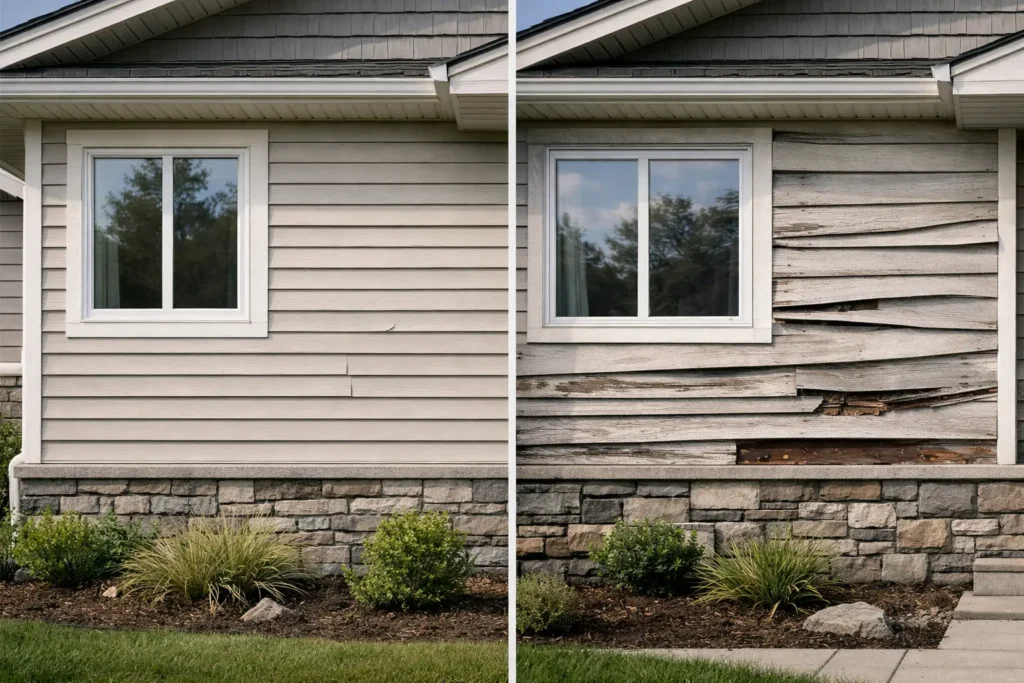
When to Repair vs Replace House Siding Panels
kaye mori • January 14, 2026

January 14, 2026

House Siding Panels

What are house siding panels, and why are they important?
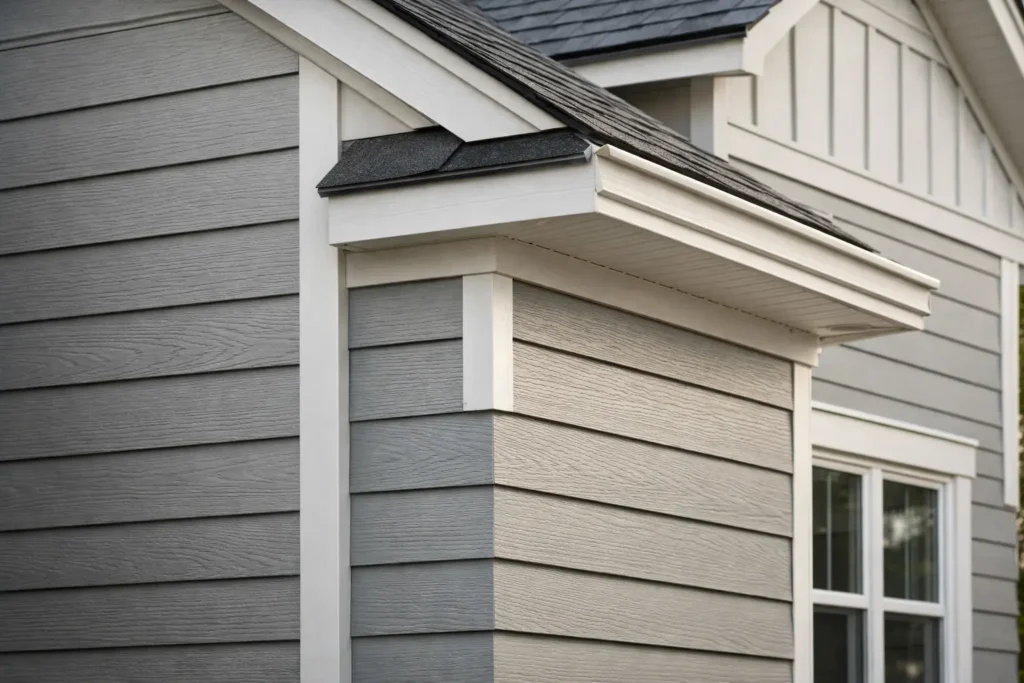
House siding panels protect exterior walls from moisture, pests, and environmental exposure. They also boost curb appeal and improve a home’s energy efficiency through insulation and thermal resistance.

Common House Siding Panel Types and Their Characteristics

Siding Type

Material

Lifespan

Maintenance Level

Key Features

Vinyl

PVC-based plastic

20–40 years

Low

UV-resistant, cost-effective

Wood

Cedar, Redwood

15–30 years

High

Natural look, prone to rot/insects

Fiber Cement

Cement + Cellulose

30–50 years

Medium

Fire-resistant, durable, heavier panels

Metal

Steel, Aluminum

30–50+ years

Low

Fireproof, recyclable, rust risk

Engineered Wood

Composite Wood

20–30 years

Medium

Easy to install, impact-resistant

House siding panels function as a house’s cladding—a first line of defense against wind, rain, snow, and sun. Quality siding helps prevent thermal bridging, maintains facade protection, and supports insulation performance over time.

The siding material’s lifespan depends on local climate, maintenance frequency, and installation quality. Vinyl and fiber cement last longer in humid regions due to mold resistance. Wood siding requires regular sealing and repainting, especially in wet zones.

Next, we’ll explore the early warning signs that indicate it’s time to repair your siding.

Signs It’s Time to Repair House Siding Panels

When should you repair instead of replace siding panels?
You should repair house siding panels when damage is superficial, such as minor cracks, warping, or fading, and the structural layer underneath remains sound.

Common Siding Repair Signs

  • Cracks or Small Holes: Indicate impact damage or wear; patchable with caulk or filler.
  • Loose or Warped Panels: Typically caused by weather shifts; resecuring or replacing single panels is sufficient.
  • Fading or Paint Peeling: Signals UV exposure or aging paint; repainting or sealing extends life.
  • Localized Moisture Damage: If the rot hasn’t spread past a small section, targeted repairs work.


Indicators You Can Fix Siding

Condition

Repair Feasible?

Notes

Paint Peeling

A white checkmark centered inside a rounded green square.Yes

Sand, prime, and repaint

Siding Gaps or Joint Issues

A white checkmark centered inside a rounded green square.Yes

Re-caulk siding joints and apply sealant

Minor Siding Flaws

A white checkmark centered inside a rounded green square.Yes

Spot-fix small defects to stop spread

Loose Boards or Panels

A white checkmark centered inside a rounded green square.Yes

Re-nail or replace individual sections

Fixing minor siding damage early prevents moisture damage, rot, and energy loss. Ignoring these early signs leads to higher replacement costs later.

In the next section, we’ll look at when a full house siding panel replacement is the better option.

When Replacing House Siding Panels Becomes Necessary

When is house siding damage too severe to repair?
House siding panels need full replacement when structural integrity is compromised due to mold, rot, water infiltration, or widespread pest damage.

Siding Replacement Warning Signs

  • Severe Rot or Mold Growth: Indicates internal water seepage and possible insulation failure.
  • High Energy Bills: Caused by degraded siding creating thermal bridging and insulation gaps.
  • Visible Structural Damage: Bowing, bulging, or collapsing panels signal deeper issues.
  • Pest Infestation: Termites and carpenter ants can weaken wood siding from within.

When to Replace Siding Instead of Repairing

Condition

Replace Required?

Why?

Insulation Failure

A white checkmark centered inside a rounded green square.Yes

Causes consistent energy loss

Siding Collapse or Sagging

A white checkmark centered inside a rounded green square.Yes

Indicates structural rot

Extensive Warping

A white checkmark centered inside a rounded green square.Yes

Widespread material degradation

Hidden Mold or Water Infiltration

A white checkmark centered inside a rounded green square.Yes

Risks health and home safety

Replace house siding panels when patchwork can no longer preserve the structure. Delaying replacement invites higher repair costs and lowers property value.

Now that we know when to act, let’s compare costs between repair and replacement options.
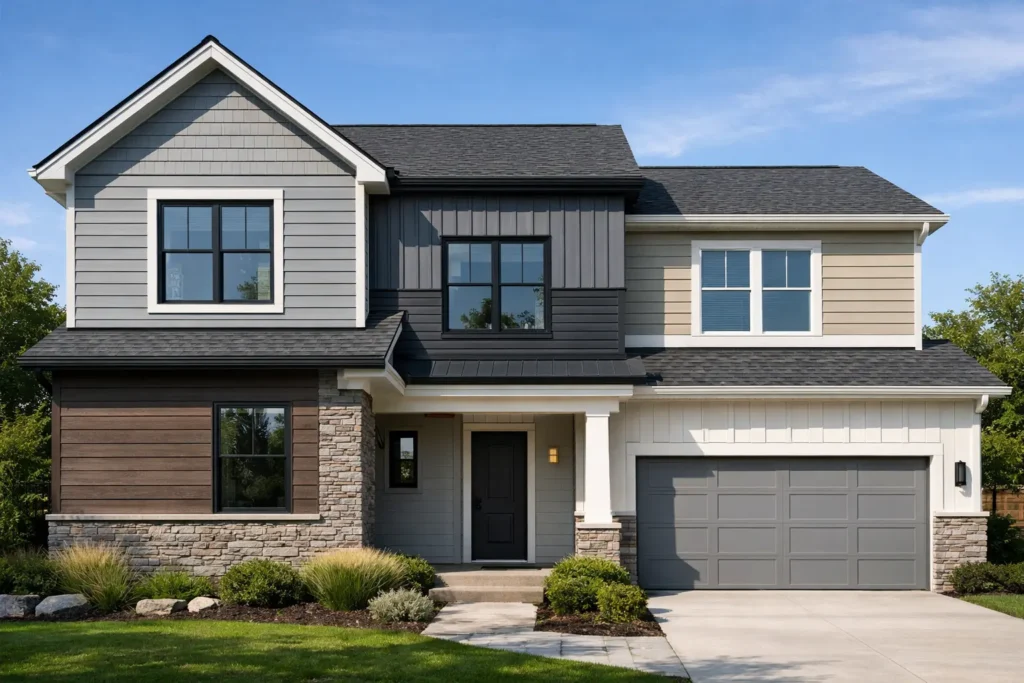
Cost Comparison: Repairing vs Replacing House Siding Panels

Is it cheaper to repair or replace house siding?
Repairing siding is cheaper upfront, but replacing it may offer better long-term ROI, especially with energy-efficient materials.

House Siding Repair vs Replacement Cost

Siding Type

Repair Cost per Sq. Ft

Replacement Cost per Sq. Ft

Notes

Vinyl

$2 – $6

$4 – $10

Easiest to repair or replace

Fiber Cement

$5 – $10

$7 – $14

Higher labor cost due to weight

Wood

$6 – $12

$8 – $16

May require pest-resistant sealant

Metal

$4 – $8

$6 – $12

Less common but long-lasting

Key Budget Considerations

  • DIY vs. Contractor Prices: DIY repair saves on labor cost, but risks improper sealing.
  • Cost Efficiency Over Time: Older siding may require frequent repairs; full replacement can lower energy bills by 10–30% per year.
  • Maintenance Savings: Newer materials require less upkeep, saving time and annual costs.


When budgeting, factor in total square footage, removal labor, and possible structural fixes. Always get multiple repair quotes and contractor pricing for accurate comparison.

Next, we’ll explore which materials offer the best balance between longevity and affordability.

Material Matters: Choosing the Right House Siding Panels for Longevity

House Siding Panels

What are the best house siding materials for durability and repairability?
Fiber cement and vinyl offer the longest life with minimal upkeep. Engineered wood and metal siding provide durability in harsh climates but differ in maintenance needs.

House Siding Material Guide: Pros and Cons

Material

Pros

Cons

Vinyl

Low cost, no painting, UV-resistant

Brittle in cold weather, limited color changes

Fiber Cement

Fire, pest, and rot-resistant

Heavy, needs special tools to cut and install

Engineered Wood

Natural appearance, impact-resistant

Prone to swelling without sealing

Metal

Eco-friendly, recyclable, resistant to fire and pests

Can dent easily, may rust without coating

Climate-Specific Recommendations

  • Humid Areas: Fiber cement or vinyl to avoid mold and wood rot.
  • Hot, Dry Climates: Engineered wood or metal panels with UV-resistant coatings.
  • Cold Regions: Avoid vinyl due to cracking; opt for thicker insulated panels.

Durable house siding panels must resist expansion, moisture, and UV damage. Panel thickness, impact resistance, and eco-friendliness matter for long-term performance.

Up next: How to assess siding health with a professional inspection.

How to Decide: Professional Assessment of House Siding Panels

House Siding Panels

When should you call a house siding expert?
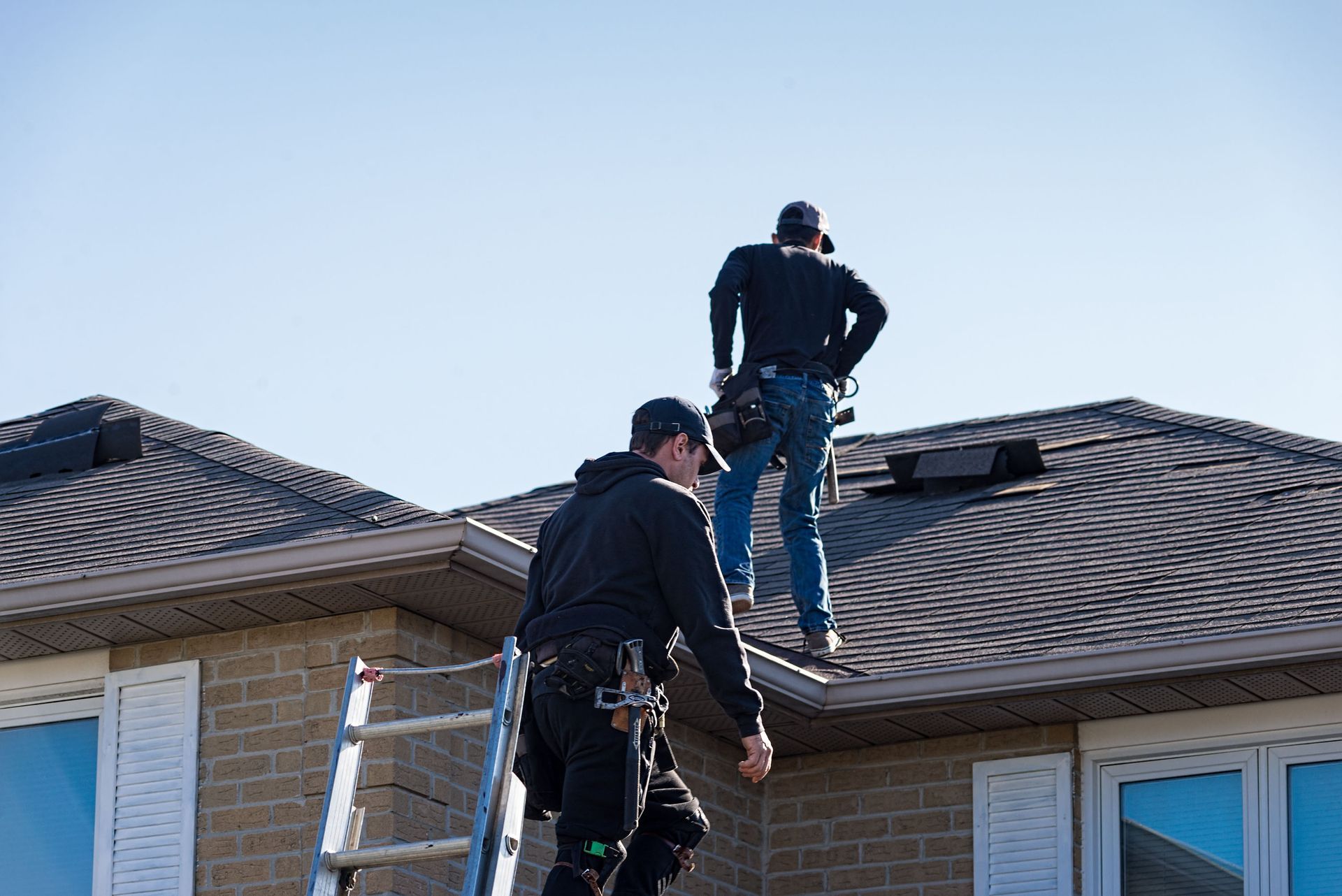
Call a certified siding contractor when you notice signs of damage, unusual energy bills, or if your siding is over 20 years old.

What Does a House Siding Inspection Include?

  • Visual Check: Assesses gaps, warping, rot, and missing caulking.
  • Structural Analysis: Checks for insulation failure and hidden moisture.
  • Damage Report: Lists required repairs or full replacement.
  • Quotes and Estimates: Based on square footage and material type.

House Siding Inspection Guide

Checklist Item

Assessed By

Action

Cracks and Holes

Certified Siding Expert

Patch or replace damaged sections

Mold Behind Siding

Moisture Detection Tools

Mold remediation and new cladding

Insulation Gaps

Thermal Imaging

Add or upgrade siding material

Age of Panels

Installation Date Review

Replace if lifespan exceeded

A professional siding assessment ensures accurate decisions based on real damage. Request a siding estimate from at least three local contractors.

Let’s now answer common homeowner questions around siding care and replacement.

FAQs on House Siding Panels: Repair, Replace, and Maintenance

How often should siding be replaced?

Most siding lasts 20–50 years depending on the material. Replace when you see signs like mold, structural warping, or insulation issues.

Can you mix old and new siding?

Yes, but color mismatch and texture differences may impact curb appeal. Manufacturers often change product lines.

Is DIY siding repair worth it?

For small cracks or panel replacement, yes. But large repairs involving moisture barriers or structural panels require professionals.

What’s the average lifespan of vinyl siding?

Vinyl siding typically lasts 25–40 years. Its lifespan shortens without regular cleaning and UV protection.

How to detect water damage behind siding?

Look for soft spots, bubbling paint, or interior wall discoloration. Thermal cameras and moisture meters confirm infiltration.

Want More High-Quality Roofing Projects on Long Island?

G&V Roofing delivers trusted craftsmanship, reliable service, and local expertise that turns property owners into lifelong clients—all from one professional source.

Our Services:

A gray claw hammer with an orange handle set against a white background. Slate Roofing— Elegant, long-lasting, and perfect for upscale homes.
A light gray icon of a classical building with a triangular roof, a pediment, and three vertical pillars on a base. Tile Roofing— Durable and stylish roofing built to handle the Northeast climate.
A two-story yellow house icon with a dark gray roof, a red chimney, blue windows, a brown door, and a green base. Residential Roofing— From repairs to full replacements, we protect your home like it’s our own.
A flat illustration of a beige, symmetrical multistory building with blue windows and a central domed roof. Commercial Roofing— Professional-grade roofing systems for businesses and facilities.
A simple, light blue water drop icon. Gutters— Proper drainage solutions to protect your foundation and landscaping.
A square window with a brown frame and four glass panes, featuring a light blue reflection. Windows Energy-efficient and beautiful—enhance your view and lower utility bills.
An isometric view of a red rectangular brick with three circular holes on the top surface. Siding— Boost curb appeal and protect your exterior with high-performance materials.

Learn About:

A white checkmark centered on a green, rounded square background.  Choosing the Right Roofing Materials for Long Island Homes
A white checkmark centered on a green, rounded square background.  Roofing Tips for Nassau & Suffolk County Weather
A white checkmark centered on a green, rounded square background.  How to Spot Roof Damage Before It Becomes Expensive
A white checkmark centered on a green, rounded square background.  The Real Cost of Delaying Roof Repairs
A white checkmark centered on a green, rounded square background.  Seasonal Roof Maintenance Checklists

A two-story tan house with a gray roof, a red chimney, blue windows, and green trees and bushes on a patch of grass.Looking to Upgrade Your Roof or Protect Your Property Investment?

Whether you’re a homeowner looking for reliable roof solutions or a property manager seeking fast, expert repairs—G&V Roofing is your go-to Long Island partner for long-lasting protection and peace of mind.

A red, flat-headed push pin pointing downwards to the left against a white background.Follow Us for the Latest in Roofing Care, Property Protection & Home Improvement:

A light blue musical note icon. Tiktok : Watch fast transformations, tips from the crew, and roofing secrets revealed
A dark gray icon of a vintage film camera with two circular film reels on top. YouTube: Explore step-by-step guides, customer stories, and full project showcases
A stylized, dark gray camera icon with a blue circular lens and a large, yellow eight-pointed starburst flash. Instagram: See beautiful before-and-afters, behind-the-scenes content, and premium materials
A yellow, cartoon-style thumbs-up icon against a white background. Facebook: Read reviews, see featured jobs, and connect with the local G&V Roofing community

A yellow hand icon with an extended index finger pointing to the right.Contact G&V Roofing today and discover why craftsmanship matters
By kaye mori January 14, 2026
Learn how house siding prevents moisture damage by forming a durable barrier that safeguards your home’s structure, boosts energy efficiency, and supports healthier indoor air. How Does Moisture Affect Your Home’s Structure? Moisture infiltrates the building envelope and causes: Wood rot in structural framing Insulation saturation, reducing thermal performance Degradation of drywall and flooring materials […]
By kaye mori January 14, 2026
Preventative roof maintenance refers to the proactive approach of regularly inspecting and servicing commercial roofing systems to identify and fix minor issues before they escalate into costly problems. Unlike reactive repairs, which are performed after visible damage or leaks occur, preventative roofing maintenance is structured and scheduled and aims to preserve the roof system components […]
By kaye mori January 13, 2026
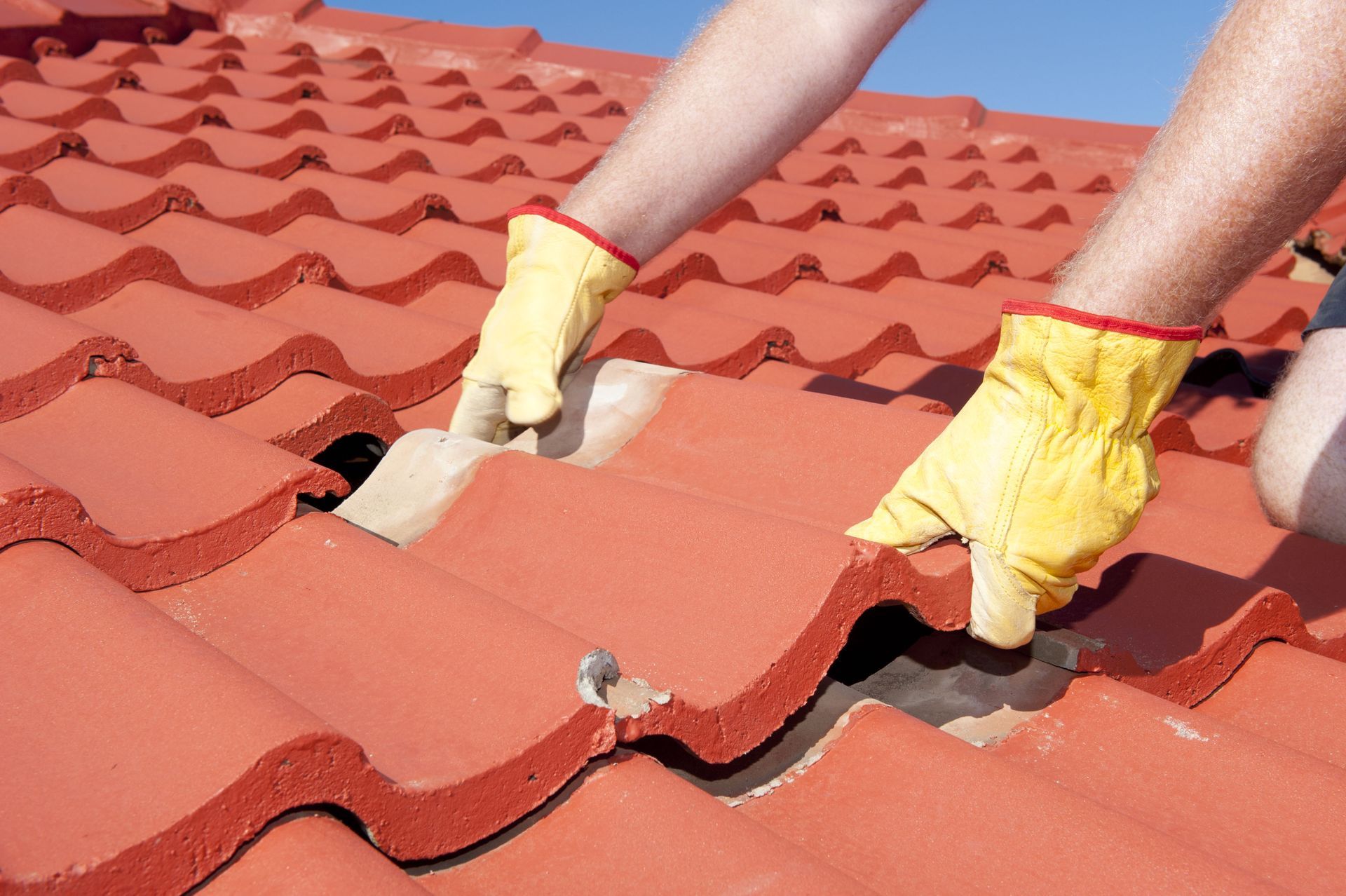
What causes slipping tile roofs, and how can you detect early signs?Slipping roof tiles occur due to poor installation, structural failure, or long-term environmental exposure. Early detection helps prevent severe damage and costly repairs. Main Causes of Slipping Tile Roofs Tile movement often results from a combination of physical forces and material fatigue. The most […]
Show More →