
Clay Roof Tiles vs. Other Materials: What’s Right for Your Home?
kaye mori • April 18, 2025

April 18, 2025

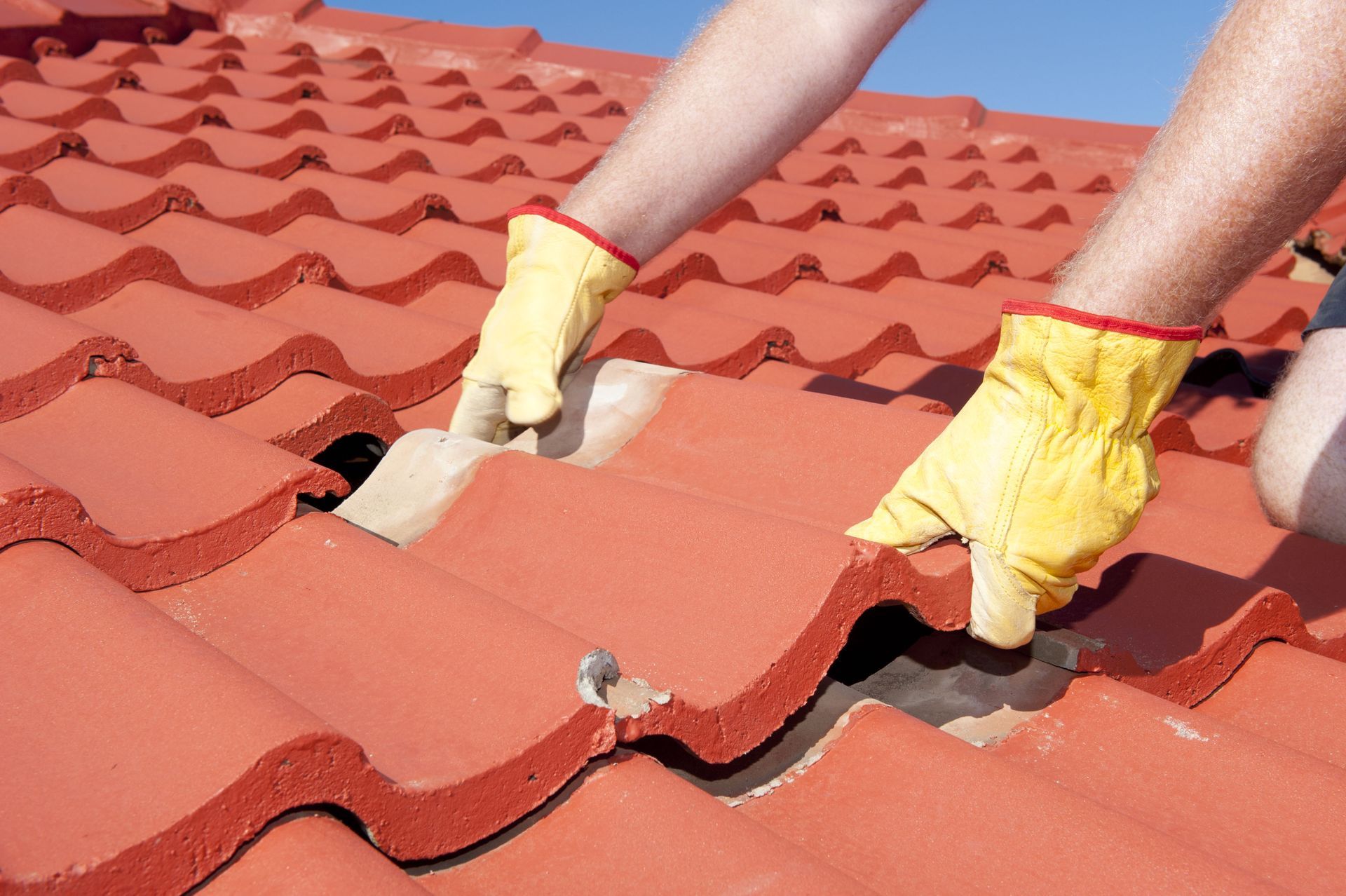
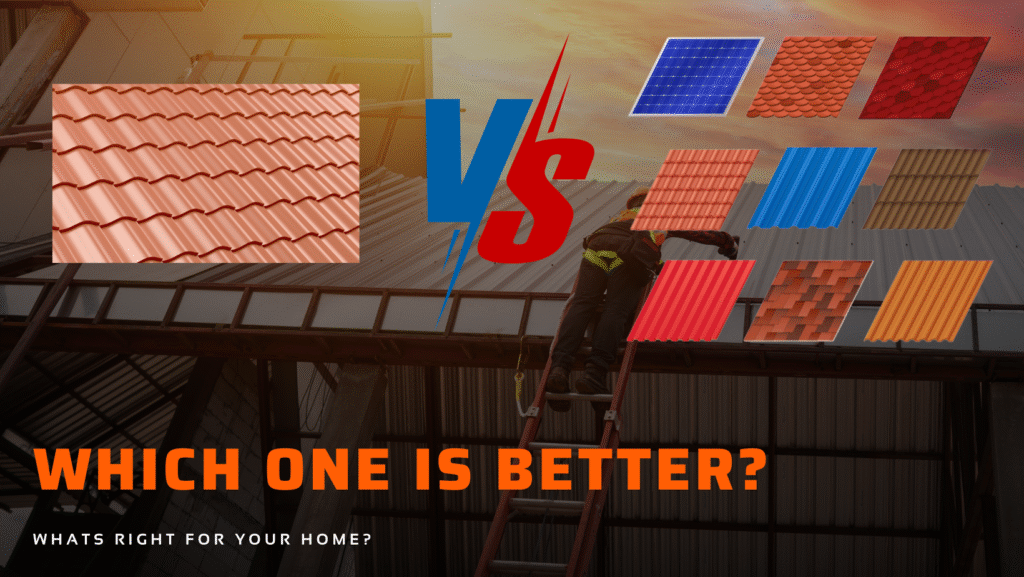
A worker on a ladder compares traditional clay roofing tiles with various modern metal roof designs.

Clay roof tiles combine ancient craftsmanship with modern performance. Used since 10,000 B.C. in regions like Mesopotamia and Egypt, clay tiles have endured through centuries thanks to their durability, heat resistance, and natural appeal. Today, these kiln-fired ceramic materials remain popular in Mediterranean, Spanish Colonial, and Mission-style architecture—but they’re no longer just for traditional homes.

Why are clay roof tiles gaining renewed attention?

  • Their terracotta finish offers timeless aesthetics.
  • Their thermal insulation properties support energy-efficient homes.
  • If they receive the right care, they can live for more than 75 years.
  • Their composition—natural clay—makes them recyclable and eco-friendly.

Next, we’ll compare how clay stacks up against asphalt, metal, and slate roofing.

How Clay Roof Tiles Compare to Asphalt, Metal, and Slate

Clay roof tiles outperform most materials in longevity and climate resilience.

Feature
Clay Tiles
Asphalt Shingles
Metal Roofing
Slate Tiles

Lifespan

50–100 years

15–30 years

30–50 years

75–150 years

Thermal Resistance

High (natural R-value)

Low

Moderate

High

Hail Performance

Moderate

Low

High

High

Cost per Sq. Ft

$10–$18

$3–$6

$5–$12

$15–$25

Maintenance Needs

Low

High

Moderate

Low

Weight

Heavy

Light

Light

Very Heavy

Color Retention

Excellent

Poor

Good

Excellent

Summary:

  • Clay vs Asphalt Shingles: Clay lasts over 3× longer and resists UV better.
  • Clay vs Metal Roof: Metal is lighter and performs well in hail zones, but lacks the same insulation.
  • Clay vs Slate Tiles: Slate is more expensive and heavier; both are excellent for longevity.

In the next section, we highlight the unique strengths that make clay tiles a smart investment.

What Are the Benefits of Clay Roof Tiles?

Clay roof tiles offer unmatched durability, sustainability, and thermal performance.

Key advantages include:

  1. Exceptional Lifespan
    • Can last 50–100 years with minimal repairs.
    • Resistant to rot, insects, and UV degradation.
  2. Fire and Heat Resistance
    • It is non-flammable, making it ideal for Class A fire zones.
    • Lowers attic heat gain by as much as 50% in hotter regions.
  3. Eco-Friendliness
    • Made from natural clay; recyclable.
    • Energy-efficient with high R-values (up to R-1.25).
  4. Water Resistance
    • Low permeability protects against rain and mold growth.
    • Glazed finishes add extra resistance in humid zones.
  5. Aesthetic Versatility
    • Available in earth tones, matte, and high-gloss glazes.
    • Suitable for modern, rustic, and traditional designs.

Next, we’ll explore how these benefits perform under different climate conditions.

Are Clay Roof Tiles Right for Your Climate?

Clay roof tiles perform best in hot, dry, and coastal climates—but also handle cold zones if treated.

Climate Type
Clay Tile Suitability
Notes

Hot & Sunny

Excellent

High UV and heat resistance

Cold & Snowy

Moderate to High

Needs frost-resistant clay and proper slope

Wet & Humid

High

Mold-resistant and water-shedding design

Windy & Stormy

Moderate

Requires secure fastening; rated up to 125 mph winds

Important Considerations:

  • In freeze- thaw zones, use clay tiles with <3% water absorption to avoid cracking.
  • In hurricane- prone regions, opt for interlocking systems with enhanced wind ratings.
  • In deserts , clay’s thermal mass stabilizes indoor temperatures.

Now, let’s examine what you can expect to pay and the long-term value.

Clay Roof Tiles Cost Breakdown

Clay roofing costs more upfront but delivers strong long-term value.

Cost Component
Price Range

Material (per sq. ft)

$10–$18

Installation (per sq. ft)

$7–$12

Total Installed Cost

$17–$30 per sq. ft

Annual Maintenance

$150–$300 (avg.)

Lifespan ROI

High (up to 100 years)

Factors Affecting Cost:

  • Pitch and roof complexity increase labor costs.
  • Structural reinforcement may be needed for older homes.
  • Region influences material availability and labor rates.

Compared to asphalt (avg. lifespan 20 years), clay offers 3–5× more life with lower annualized cost. Now let’s break down the steps for installation.

Clay Roof Tiles Installation Process

Installing clay roof tiles requires specific techniques due to their weight and rigidity.

Steps in the Installation Process:

  1. Roof Inspection & Reinforcement
    • Confirm structural support for heavy load (~850 lbs/sq).
  2. Underlayment & Flashing
    • Use waterproof underlayment and corrosion-resistant flashing.
  3. Tile Layout & Battens
    • Install battens or nail directly depending on tile type.
  4. Tile Placement & Nailing
    • Use interlocking systems or mortar-set techniques.
  5. Edge and Ridge Sealing
    • Seal ridges with hip caps; secure edges with custom cuts.

Important Tip: Only certified contractors should handle installation to ensure code compliance and manufacturer warranty.

Now that you know the process, let’s look at the variety of styles and colors available.

Clay Roof Tile Styles and Colors

To accommodate various housing styles, clay roof tiles are available in a variety of profiles, textures, and colors.

Most Common Tile Profiles:

  • Barrel Tiles (Mission or Spanish)
    • Rounded, overlapping; classic Mediterranean look.
  • Flat Tiles (French or Slate-Look)
    • Clean, modern appearance with strong wind resistance.
  • S-Shaped Tiles (Interlocking)
    • Combine barrel aesthetics with interlocking performance.

Color and Finish Options:

Finish Type
Features

Natural Clay Tones

Earthy reds, browns, oranges

Matte Finish

Soft, non-reflective texture

High-Gloss Glaze

Adds protection and vibrant colors

Weathered Texture

Mimics aged or rustic appearance

Next, let’s explore how long these beautiful tiles actually last.

Durability and Lifespan of Clay Roof Tiles

Among the strongest roofing materials are clay tiles.

  • Lifespan: 50 to 100+ years under normal conditions
  • Cracking Risks: Mostly from improper installation or freeze-thaw stress
  • Repair Needs: Usually limited to individual tile replacements

Common Durability Features:

  • Resists UV, salt spray, pests, and algae
  • Withstands wind gusts up to 125 mph with proper anchoring
  • Maintains structure and color for decades

Now let’s zoom in on the environmental benefits of clay roofing.

Environmental Impact of Clay Roof Tiles

Clay tile is among the most eco-friendly roofing materials.

Sustainability Attribute
Clay Roof Tiles

Raw Material

Natural clay (abundant, local)

Energy Use in Production

Moderate (kiln-fired)

Recyclability

100% recyclable post-use

Cradle-to-Grave Lifecycle

Long lifespan, low waste

Emissions

Lower than concrete or asphalt

Other Benefits:

  • Energy-efficient insulation reduces HVAC needs
  • Some brands use solar-powered kilns or reclaimed clay
  • Meets LEED and ENERGY STAR standards when properly installed

Now we’ll move to practical tips to keep your clay roof in peak condition.

Maintenance and Repair Tips for Clay Roof Tiles

Clay tile roofs require low but consistent maintenance.

Maintenance Best Practices:

  • Annual Inspection: Look for moss accumulation, tile movement, and cracks. 
  • Gentle Cleaning: Use soft washing or low-pressure water to avoid cracking
  • Moss and Algae Removal: Apply biocide treatments as needed
  • Seal Cracks Early: Prevent water infiltration using tile sealants
  • Ventilation Gaps: Ensure airflow to prevent condensation buildup

Pro tip: Avoid walking on clay tiles directly. Use a roof ladder or contact a professional.

Now, for those comparing brands, here are some trusted manufacturers.

Popular Brands and Manufacturers of Clay Roof Tiles

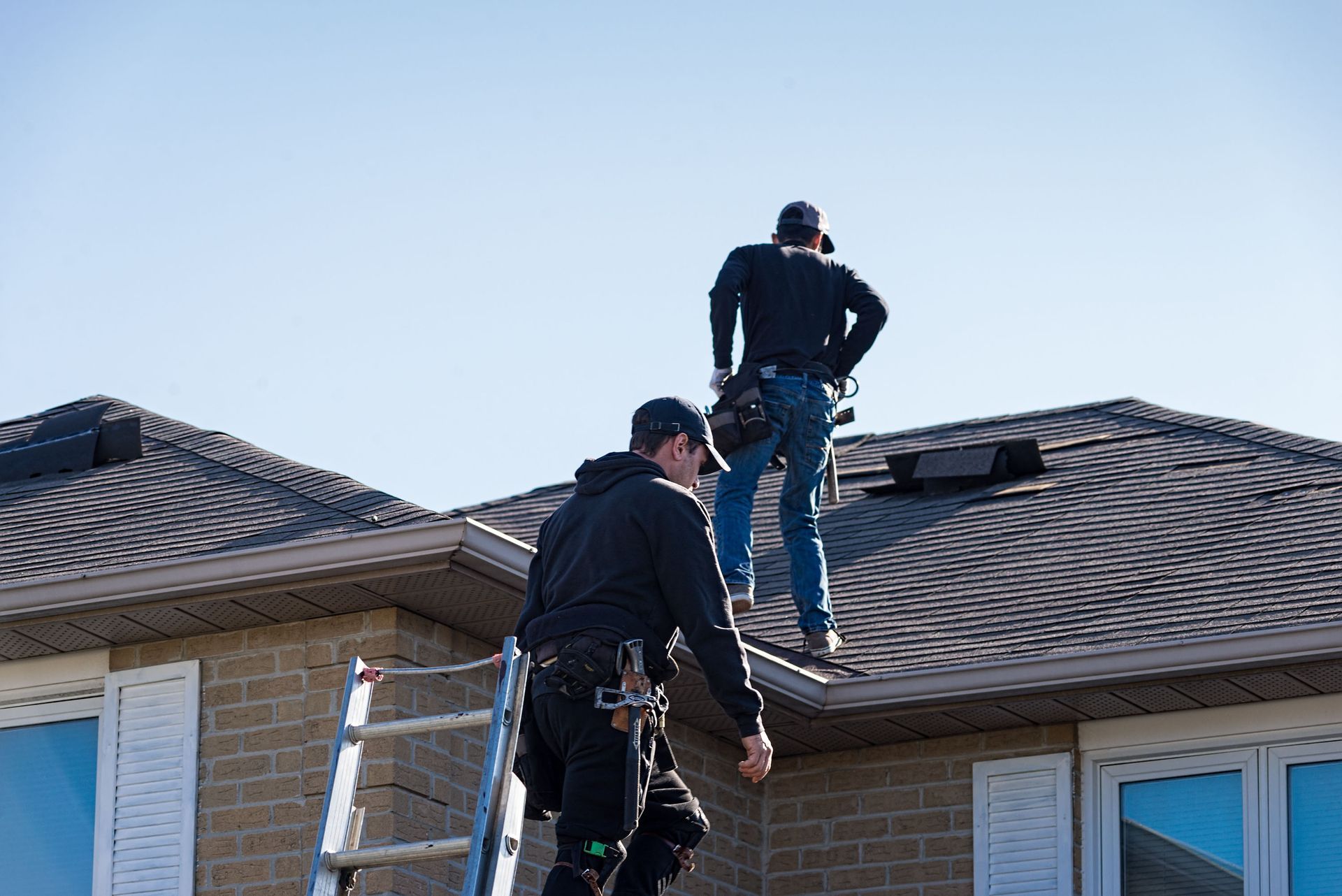
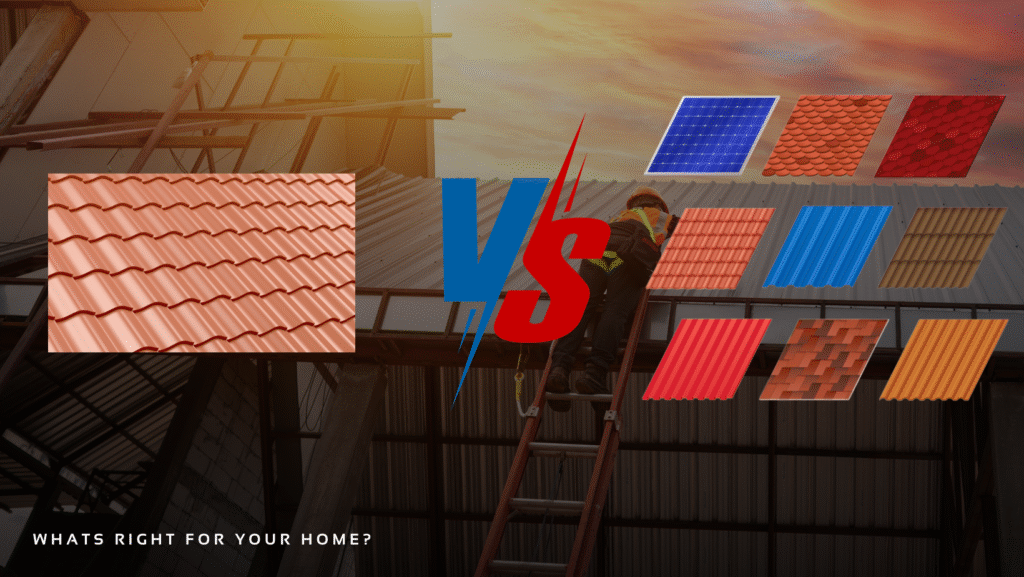
A comparison between a traditional tiled roof and various modern roofing materials, with a worker on a ladder.

The most reputable brands offer premium clay, long warranties, and wide design choices.

Leading Clay Tile Brands:

  1. Ludowici (USA)
    • Premium clay, 75-year warranty, high-gloss options
  2. Boral Roofing (USA/AUS)
    • Energy-efficient lines, Class A fire rating
  3. Terreal (France)
    • Rustic textures, eco certifications, solar-integrated tiles
  4. Tejas Borja (Spain)
    • Designer finishes, frost-resistant tiles
  5. Vande Hey Raleigh (USA)
    • Custom colors, artisanal options, regional aesthetic focus

Always check warranty details, especially for frost zones or high-wind areas.

FAQs About Clay Roof Tiles

A roofer in a yellow hard hat crouches on a rooftop behind a red block banner that reads
Are clay tiles worth the cost?

Yes. They offer superior durability, aesthetic value, and low lifecycle cost.

Can clay tiles handle snow and ice?

Yes, if frost-rated and properly installed on a pitched roof.

What’s the biggest maintenance concern?

Broken or moved tiles as a result of earthquakes or storms.

Do clay tiles increase home value?

Indeed. Premium roofing is frequently mentioned by appraisers as adding value.

Is clay better than concrete tile?

Clay is lighter, retains color longer, and has a longer history of performance.

Want More High-Quality Roofing Projects on Long Island?

G&V Roofing delivers trusted craftsmanship, reliable service, and local expertise that turns property owners into lifelong clients—all from one professional source.

Our Services:

A hammer with a grey metal head and an orange handle, shown on a white background. Slate Roofing— Elegant, long-lasting, and perfect for upscale homes.
A light gray, stylized icon of a neoclassical building with three pillars, representing a bank or government institution. Tile Roofing— Durable and stylish roofing built to handle the Northeast climate.
A simple digital illustration of a two-story beige house with a grey roof, red chimney, blue windows, and a brown door. Residential Roofing— From repairs to full replacements, we protect your home like it’s our own.
A flat, minimalist icon of a large, beige building with blue windows, a central tower, and a dark grey base. Commercial Roofing— Professional-grade roofing systems for businesses and facilities.
A simple, solid light blue water droplet icon on a white background. Gutters— Proper drainage solutions to protect your foundation and landscaping.
A brown-framed window with four glass panes, shown with a blue reflection indicating a view of the sky. Windows Energy-efficient and beautiful—enhance your view and lower utility bills.
A rectangular, terracotta-colored brick with three circular holes on its top surface, viewed from an isometric angle. Siding— Boost curb appeal and protect your exterior with high-performance materials.

Learn About:

A white checkmark centered on a rounded green square background.  Choosing the Right Roofing Materials for Long Island Homes
A white checkmark centered on a rounded green square background.  Roofing Tips for Nassau & Suffolk County Weather
A white checkmark centered on a rounded green square background.  How to Spot Roof Damage Before It Becomes Expensive
A white checkmark centered on a rounded green square background.  The Real Cost of Delaying Roof Repairs
A white checkmark centered on a rounded green square background.  Seasonal Roof Maintenance Checklists

A yellow two-story house with a red chimney, blue windows, and a green tree in a cartoon style.Looking to Upgrade Your Roof or Protect Your Property Investment?

Whether you’re a homeowner looking for reliable roof solutions or a property manager seeking fast, expert repairs—G&V Roofing is your go-to Long Island partner for long-lasting protection and peace of mind.

A red pushpin oriented diagonally with a silver metal tip.Follow Us for the Latest in Roofing Care, Property Protection & Home Improvement:

A light blue musical note icon. Tiktok : Watch fast transformations, tips from the crew, and roofing secrets revealed
A dark blue film camera icon. YouTube: Explore step-by-step guides, customer stories, and full project showcases
A black camera icon with a blue circular lens and a yellow starburst shape on the left. Instagram: See beautiful before-and-afters, behind-the-scenes content, and premium materials
A yellow, cartoon-style thumbs-up icon against a white background. Facebook: Read reviews, see featured jobs, and connect with the local G&V Roofing community

A yellow hand emoji pointing to the right.Contact G&V Roofing today and discover why craftsmanship matters
Roof Installation Long Island, Roof Installation Long Island, Roof Installation Long Island, Roof Installation Long Island, Roof Installation Long Island, Roof Installation Long Island, Roof Installation Long Island,Roof Installation Long Island, Roof Installation Long Island, Roof Installation Long Island, Roof Installation Long Island,Roof Installation Long Island

A worker on a dark roof next to a glowing lightbulb wearing a hard hat, with a woman pointing and the text READY WHEN YOU ARE.
By kaye mori January 14, 2026
What are house siding panels, and why are they important?House siding panels protect exterior walls from moisture, pests, and environmental exposure. They also boost curb appeal and improve a home’s energy efficiency through insulation and thermal resistance. Common House Siding Panel Types and Their Characteristics Siding Type Material Lifespan Maintenance Level Key Features Vinyl PVC-based […]
By kaye mori January 14, 2026
Learn how house siding prevents moisture damage by forming a durable barrier that safeguards your home’s structure, boosts energy efficiency, and supports healthier indoor air. How Does Moisture Affect Your Home’s Structure? Moisture infiltrates the building envelope and causes: Wood rot in structural framing Insulation saturation, reducing thermal performance Degradation of drywall and flooring materials […]
By kaye mori January 14, 2026
Preventative roof maintenance refers to the proactive approach of regularly inspecting and servicing commercial roofing systems to identify and fix minor issues before they escalate into costly problems. Unlike reactive repairs, which are performed after visible damage or leaks occur, preventative roofing maintenance is structured and scheduled and aims to preserve the roof system components […]
Show More →